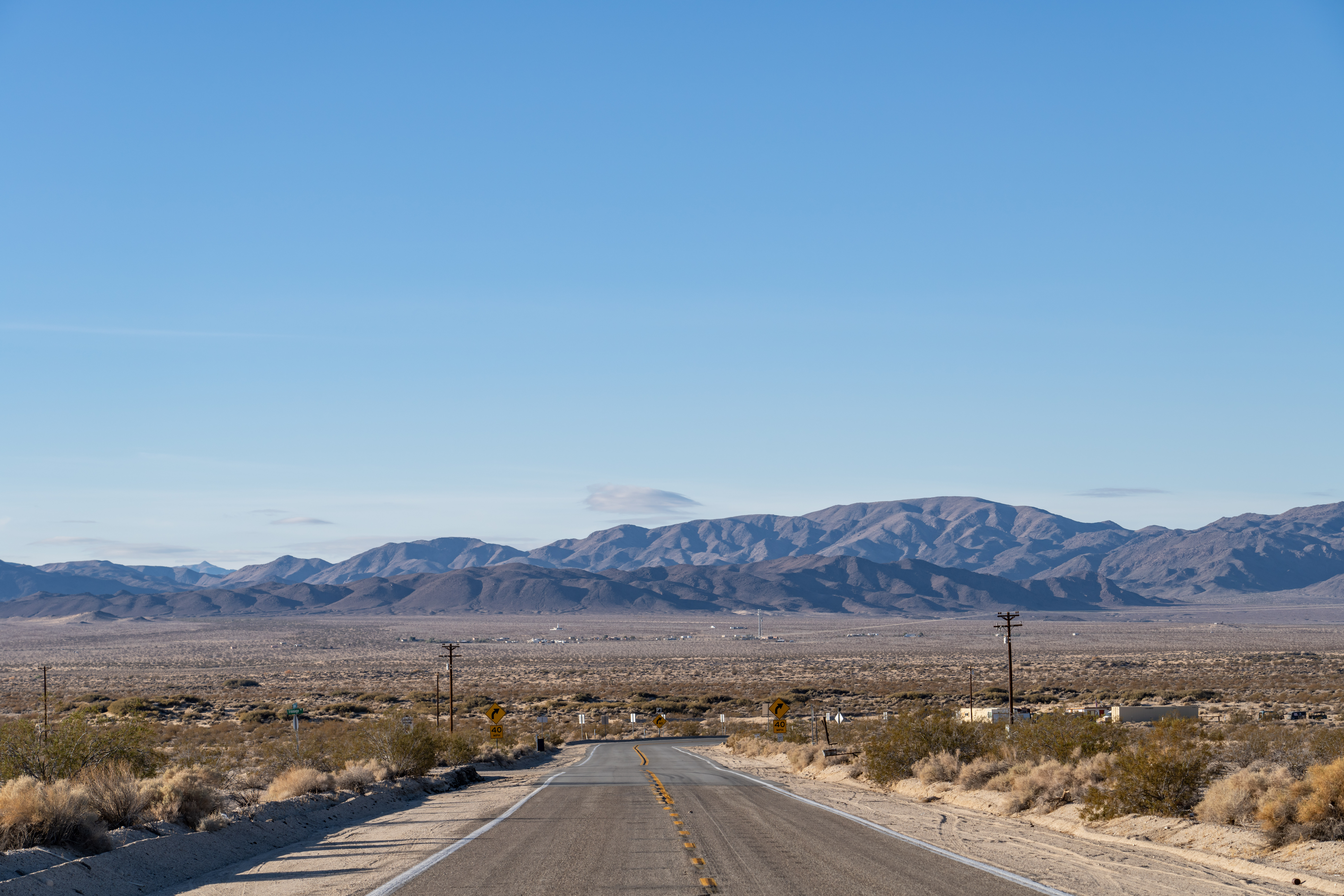

The desert was beautiful. It was also very quiet. The first time I drove into Twentynine Palms, California, I kept waiting for the town to begin.
I had left Los Angeles three hours earlier, moving from crowded freeways into longer, emptier stretches of road. Then came the desert, wide and stark, with mountains in the distance and a sky that seemed too big for the landscape beneath it.
Twentynine Palms is home to a large Marine Corps base. There were tanks, utility vehicles, military housing, and long stretches of sand. What there was not, at least not in the way I was used to in Washington, D.C., was the everyday infrastructure of my life. No favorite coffee shop around the corner. No yoga studio where I would recognize someone. No sizable grocery store within 45 minutes.
Mostly, I felt the absence of “my” people, those faces I was accustomed to seeing every week if not every day.
It was not dramatic loneliness. I had friends, but they were three time zones away. I had colleagues, but they lived in squares on a screen. I had a husband I loved, but one person cannot be your entire community.
For the first time, I understood how much belonging depends on simply being somewhere often enough for other people to become part of your life.
At the time, I thought I was simply adjusting to a new place. I didn’t realize I was beginning to understand why making new friends gets so much harder in midlife, or that searching for “my people” would eventually lead me to build the kind of community I had been looking for myself.
The Saturday Morning Walking Group
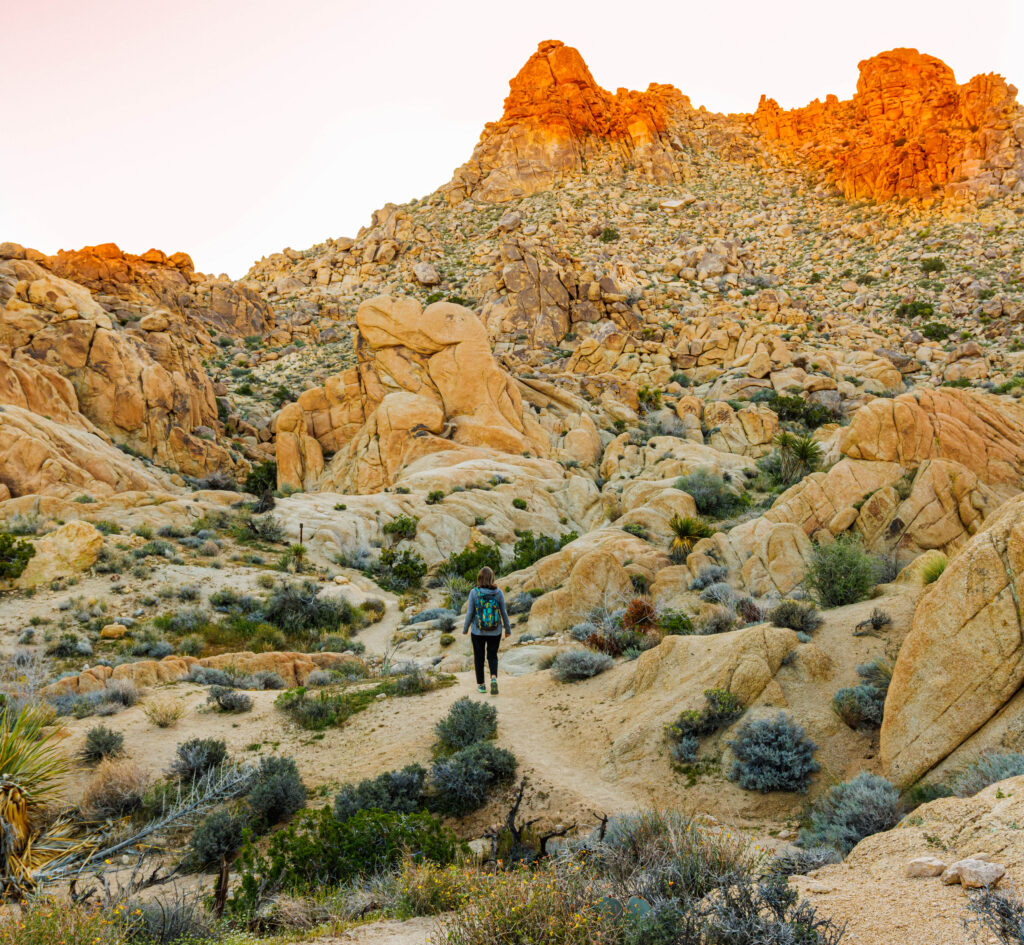
A few years earlier, during the pandemic, I had started walking on Saturday mornings with a friend. Then she invited another friend, and that friend invited another friend and we quickly became a group. There was no way to socialize in person in the early days of the pandemic besides going outside.
We would meet at a nearby trail head usually with our coffee in a takeaway cup and at least one person arriving a few minutes late. Someone would say, “I almost canceled this morning.” Someone else would answer, “Me too, but I knew I’d feel better once I got here.”
Then we started walking. And talking.
At first, the conversation was practical. Work. Kids. COVID. But walking has a way of moving a conversation beneath the surface. Soon we were talking about bosses who made us feel small, marriages that had changed, aging parents, children leaving home, and the experience of looking completely competent while feeling uncertain on the inside.
Sometimes two women drifted ahead in a deeper conversation. Someone else slowed down and stayed with the person having a hard week. By the time we reached the end, the group had rearranged itself several times.
No one called it community. We called it our Saturday walk and there was always room for one more.
But it became the thing we looked forward to all week. It was where we processed the week, celebrated good news, and noticed when someone had gone quiet. Its significance grew through repetition: same day, same time, familiar faces, shared miles.
I didn’t realize it then, but we had created something many women lose in midlife: a place where friendship had room to grow.
The Invisible Infrastructure of Friendship
School gives us classmates. Jobs give us co-workers. Neighborhoods, volunteer organizations, faith communities, recreational sports, and, for some, children and school activities create repeated contact. We may not choose every person in those spaces, but we are given the chance to know them.
Then midlife starts removing that infrastructure. Careers become more demanding or more remote. We relocate. Some of us retire, change jobs, divorce, become caregivers for aging parents, or watch children leave home. The routines that once introduced us to new people quietly disappear. We realize that some friendships were held together by proximity or routine. The glue of genuine connection wasn’t as strong as we thought.
That was what I felt in Twentynine Palms. I had lost the invisible infrastructure that had made community possible.
I called one of my best friends back in Washington. She was one of those friends I’d seen several times a week, the kind of person who knew what was happening in my life before I even had to explain it.
We talked about the move, my new job, and how different everything felt. We talked about everything we always talked about. For an hour, things almost felt normal.
But when I hung up, the quiet came right back. I realized I wasn’t just missing my friends. I was missing the rhythm of everyday life with them. The Sunday morning texts. Meeting for coffee after work. Calling someone because I needed to get out of the house. The phone call reminded me that emotional support and everyday community aren’t the same thing. A phone call helped me process what I was going through, but it couldn’t replace the community I’d left behind.
That’s when I began to understand that community isn’t just about having someone to call when life gets hard. It’s about having people you do life with. The people you see often enough to notice when something is off, who know your routines, and become part of your own. Those ordinary moments are where friendship grows.
Friendship needs intention. It also needs structure. When you see someone regularly, you notice when they’re having a hard week. You hear what isn’t being said.
The Two Calls That Changed My Direction
I had spent decades building a career as a leader. I knew how to step into complicated organizations, create order, manage change, and help people work better together. I was good at what I did, and I had built much of my identity around being useful, capable, and needed.
Then I was laid off.
I found another role, rebuilt my confidence, and kept going. It happened again within a year.
Even when you know a job is no longer right for you, being told the organization no longer wants you still hurts. It felt like a breakup where you had already been thinking about leaving, but the other person ended it first.
The first feeling was not freedom. It was rejection.
Why wasn’t I good enough? What had I missed? How could people who had relied on me suddenly decide they did not need me?
Only after moving through that grief could I admit the other truth: I had not wanted to stay. The role was not where I was supposed to build my next chapter. But I still had to process the pain of someone else making the decision for me.
After the second layoff, something changed. I no longer wanted my future to depend on a leadership change, a reorganization, or a decision made in a room I wasn’t in. Twice in two years, someone else had decided whether I had a job and a place to belong.
I didn’t know exactly what I was going to build, but I knew I wanted to build something of my own.
What I didn’t know was how. I had spent my career leading organizations, not building one from scratch. How would I find clients? How would I convince someone to hire a brand-new business? What exactly would I offer, and would anyone be willing to pay for it? Starting a business felt exciting, but it also felt incredibly uncertain.
So, I started doing what every first-time entrepreneur does. I signed up for webinars. I listened to podcasts. I joined founder communities. I wanted to learn how people turned ideas into businesses.
I expected those groups to teach me about pricing, marketing, sales, and business plans. They did. But I also learned something I hadn’t expected. Businesses don’t grow because you’re goodat cold selling. They grow because people get to know you, trust you, and introduce you to someone else. Relationships create opportunities.
That wasn’t just true of business. It was true of community, too.
What We Were Really Paying for Was Community.
We wanted a place where we didn’t have to explain why building something could feel exhilarating one day and terrifying the next. We wanted people who understood what it felt like to carry every decision yourself. We wanted accountability, encouragement, introductions, and someone to say, “I’ve felt that too.”
Once I saw it, I could not unsee it. The Saturday walking group had worked for the same reason. Walking simply gave us a reason to get together. What kept us coming back was knowing we’d see the same women, pick up the conversation where we left off the week before, and spend a few hours with people who genuinely cared how we were doing.
We talk about friendship as though it should happen naturally. Looking back, I realized our Saturday walks weren’t successful because we picked the perfect trail. They worked because someone kept sending the text: “See you Saturday?”
Building the Place I Needed
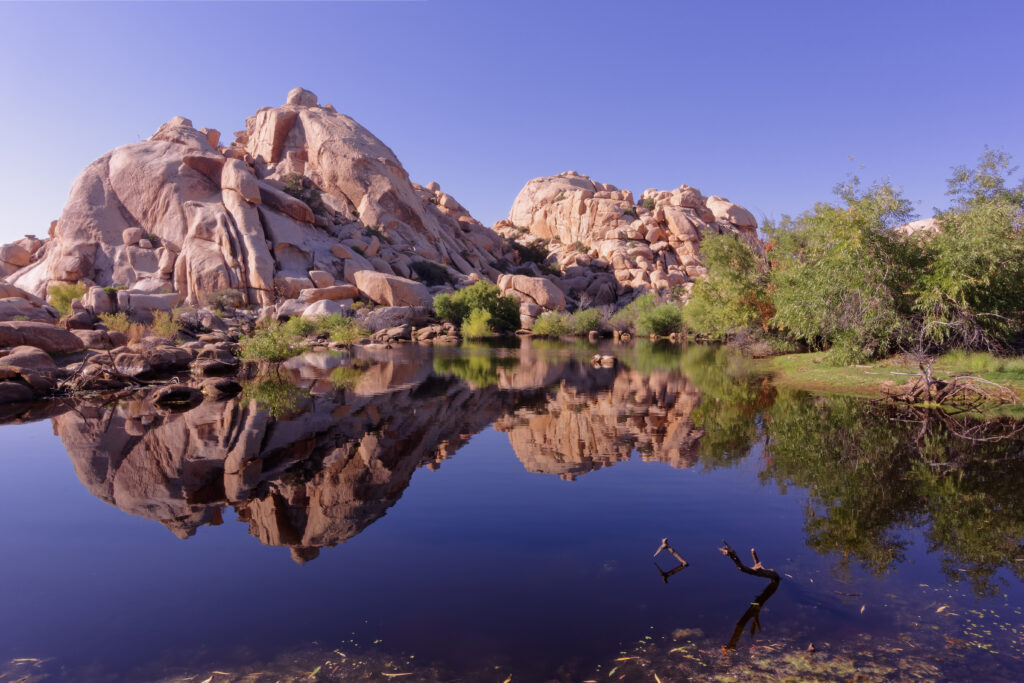
I did not set out to create a hiking business. I wanted to rebuild the infrastructure of friendship that midlife had quietly removed from my own life.
Hiking felt like the natural place to start. I’ve always loved being outdoors. When my father died unexpectedly when I was eighteen, I found myself returning to nature again and again. Walking gave me space to think, to grieve, and eventually to begin healing. Years later, in my late forties, I discovered backpacking and fell in love with spending even more time outside. By then, I’d also experienced something else. Walking side by side created the kind of conversations that rarely happened sitting across a table.
It became the setting where conversations deepen until, one day, you realize you’ve become a community. Talking about the tough things–grief, mental health, menopause, family dysfunction, financial concerns–doesn’t come naturally. Walking side by side, I have discovered, makes honest conversation easier. There is no pressure to maintain eye contact or come up with the perfect thing to say. The scenery gives you something to notice together. Movement gives the conversation momentum. Silence does not feel awkward. It simply feels like part of the walk.
I also knew that community could not be built on good intentions alone. Someone had to choose the trail, set the time, welcome the new person, keep the group small enough for conversation, and create a rhythm that allowed connections to grow. Some relationships grow into close friendships outside the hikes. Others remain rooted in those regular walks. Either way, they become part of the rhythm that makes community possible.
That is the work I had always done in organizations: build systems that help people connect and succeed. Better Outside Together is my attempt to rebuild the infrastructure that allows community to grow.
Yes, we hike. We train for backpacking trips and encourage one another to try things that once felt intimidating. But the hikes are really just the structure. They give women a reason to keep showing up, week after week, until familiar faces become friends. In other words, they rebuild the infrastructure of friendship that so many of us lose in midlife. As it turns out, I wasn’t just rebuilding that infrastructure for other women. I was rebuilding it for myself.
When Life Stops Making the Introductions
I used to think friendship was mostly about finding the right people. I’ve realized it is also about creating the right conditions.
We need places we can return to before we know everyone’s story. We need the kind of regular gatherings that schools, workplaces, and young families once created automatically. We need something to do together while trust is still forming. We need enough consistency for “Nice to meet you” to become “I was hoping you’d be here.”
Earlier in life, those places were often created for us. Then, one day, life stops introducing us to new friends. That does not mean we stop forming new connections. It means we have to become more intentional about creating the places where they can begin.
Sometimes that place is a founder’s group. Sometimes it’s a book club, a volunteer team, or a standing dinner. For me, it became a trail on a Saturday morning.
What started as an attempt to rebuild my own community became Better Outside Together. Today I watch women arrive at their first hike not knowing anyone. A few weeks later, they’re exchanging phone numbers, making plans outside the hikes, and checking in on one another when someone doesn’t show up. Watching those friendships form reminds me that community isn’t something we find. It’s something we build, one invitation and one shared experience at a time.
If there’s one thing I hope readers take away from my story, it’s this: if life has stopped introducing you to new friends, don’t wait for the introductions to start again. Find a place where people keep showing up. Or create one yourself. That’s how community begins.
Estimated reading time: 11 minutes

What a beautiful read, Nechumah. I enjoyed following the summary of your journey. Very inspirational. I pray your new business continues to blossom in abundant ways. Seems like you have found your calling! Love it. Inga
Thanks for your comment. We think Nechumah is pretty inspiring too.