Blog posts about living in, understanding, and finding the best of mavenhood.
The Blog


Solo date ideas for a beautiful life begin with what feels personal. Create moments that match your rhythm and make space for experiences that feel good to step into. Choose a pretty cafe, a gallery with clean lines, a chic hotel lounge, or a walk that ends with something you want. One well-chosen outing can shift the tone of the week. These ideas are made for women who know themselves, appreciate good environments, and want a little more beauty woven into their lives.
Winter
Winter invites a different kind of pace. Days feel full, the air sharpens, and the holidays create a mix of excitement and overload. Choosing outings that feel indulgent helps break the heaviness of the season and adds something personal to look forward to. A well-lit cafe, a decadent drink, or time in a beautiful space can give winter a sense of richness instead of fatigue.
1. Coffee shop morning
Pick the prettiest cafe in your area and take a seat by the window. Order something decadent you’d likely never prepare at home, and bring your journal. Let the space help you reset the tone of your morning.
2. Hot cocoa crawl
Make a short list of five spots known for their cocoa and visit them over a few weeks. Pay attention to the details that make each place unique. Treat the series as a winter project, or a very decadent afternoon.
3. Solo movie night
Choose a film that moves you or helps you reconnect with yourself. Pick a good seat and settle in with the freedom to watch exactly what you want. A quiet evening spent in your own company can feel grounding.
4. Hotel lobby drink
Visit a swanky hotel with a striking lobby or bar. Order a drink or tea and settle into the lounge. People-watch and take in the room. A well-designed space can shift your mindset and elevate the moment.

Spring
Spring carries a sense of return. As the light stretches later into the day, everything feels a little more possible. Consider this the season to explore, refresh your routine, and follow sparks of curiosity. A few solo dates can make the whole season feel brighter and more intentional.
5. Museum or gallery visit
Wear something that feels good on you and explore the space at a pace that suits you. Let one or two pieces hold your attention. A single work of art can reframe your mood and leave a lasting impression.
6. One-hour walk with a destination
Build a playlist that matches your energy level and commit to an hour-long walk. Thoughts often come into focus when you stay in motion. End the walk at a favorite coffee shop or dessert spot and give yourself time to pause.
7. Botanical garden and flower pickup
Visit a garden or park when the blooms are at their peak. Notice which flowers draw your eye. On the way home, stop at a market or florist and bring home a few stems that match your favorites.
8. Vision board session
Create a board for the season using magazine cutouts or a digital collage. Focus on the colors and images that reflect the life you want, things you appreciate, and your intentions. Set it as your phone’s home screen or hang it on a pegboard in your dressing area where you’ll see it daily.
Summer
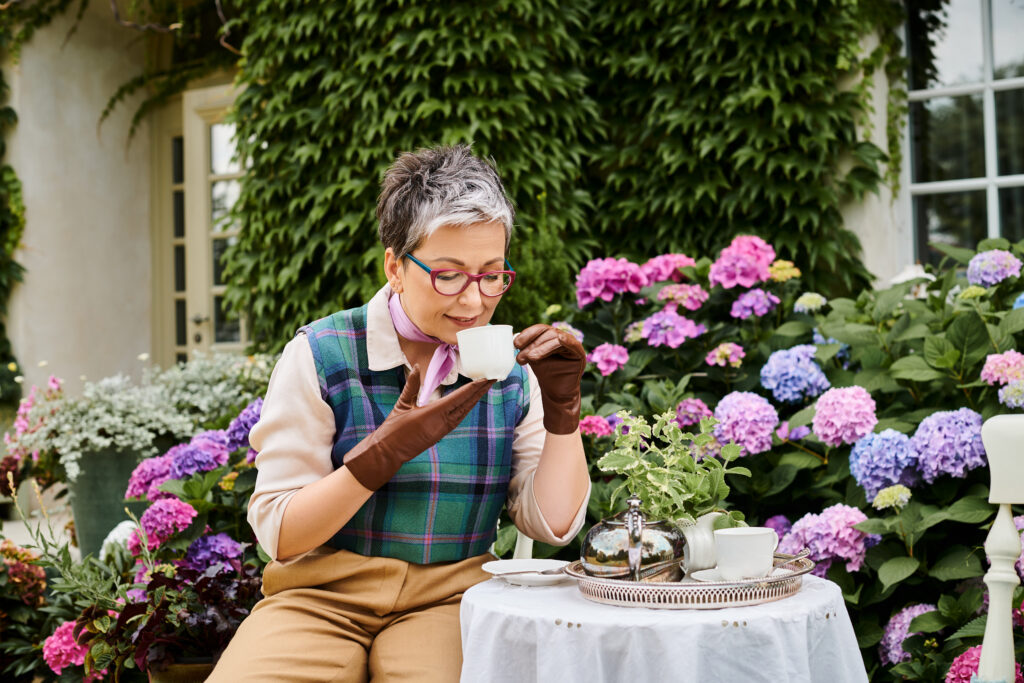
Summer opens everything up. Longer days and brighter light create room for easy adventures and small indulgences. When you step outside on a warm, bright, sunny day, anything can feel possible. Add places that feel expansive and a little playful to your solo date plans.
9. Seasonal fruit date
Visit a small orchard or berry field and pick a modest amount. Bring the fruit home and bake something like the delicious and rustic apple galette. The process becomes a seasonal ritual.
10. Farmer’s market morning
Arrive early while the market feels calm. Pick up fresh herbs, bread, or produce for a picnic or meal al fresco later. Let the ingredients guide your plan and build a beautiful meal around whatever looks best that day.
11. Sunset walk
Choose a place where the light changes noticeably. If you live near water, walk along the shoreline. If not, choose a park, rooftop, hill, or open street with a clear view. A slow walk during sunset can shift your perspective and close the day with a calmer energy.
12. Short scenic ride
Use a bus, ferry, or train you rarely take and watch your city from a different angle. Wear your headphones and find songs that match the scenery as you go, creating a new playlist for exploring. Taking in the sights on a new route can introduce you to places you may have missed and offer a fresh perspective.

Fall
Fall brings clarity. Cooler air, sharper routines, and a shift in light create a natural moment to settle into yourself. It’s a season that encourages structure and recalibration, and can be reminiscent of new beginnings. A few thoughtfully chosen outings can make this time feel grounded and quietly luxurious.
13. Fall walk with a seasonal treat
Choose a park or neighborhood that looks its best in fall and take a long walk at your own pace. Pick your favorite tree with changing leaves and snap a photo. End the outing with a fall-themed treat, like spiced tea or an apple or pumpkin pastry.
14. New fitness class
Try a class you have been curious about. Pilates, barre, reformer, strength training, or a low-impact workout can add structure and energy to the season. Choose a studio with an atmosphere that feels good to be in and give yourself space to learn something new.
15. Library visit
Go to the biography section and choose five biographies that catch your eye. Sit for a few minutes, skimming them for takeaways that inspire, and make note of five comments or phrases you’d like to consider further, talk about, or journal on. Borrow the ones you can’t seem to put down.
16. Dessert-only outing
Go to a restaurant or bakery known for its desserts and order its best-known dish. Without rushing, try to identify the individual flavors, and let it be an indulgent experience.

Anytime
Some moments belong outside the calendar. These are the outings you can turn to whenever life feels crowded or routine. Each one offers a shift in energy without planning around a season. They work on quiet weekends or the rare open afternoon. Choose your favorites for when you want time that feels like your own.
17. Bookstore visit
Find an interesting reading or book signing at a bookstore. Dedicate the hour beforehand to browsing the event section, familiarizing yourself with the author’s work, or jotting down questions about the topic.
18. Try a new hobby
Sign up for a class or workshop you have never tried. Pottery, floral arranging, candle making, or perfume blending can add a spark to your week.
19. Spa day for one
Spend part of the day focused on your own peace. Book a treatment at a spa or recreate the experience at home with a long shower, a hair mask, and a comfortable robe. Move through each step without rushing and let the calm settle in.
20. Perfume counter session
Visit a boutique or department store with a well-edited fragrance section and take your time moving through the scents. Test a few on blotters, narrow them to two, and let each one settle on your skin while you walk the space. Exploring fragrance this way feels deliberate and indulgent, and the experience stays with you long after the solo date ends.
Solo Dates
A solo date is a way of choosing yourself with intention. The environment you pick, the pace you move at, and the attention you give the moment shape the experience. These outings remind you that your time has texture and possibility. When you create space for yourself, life feels more designed, more personal, and more aligned with the woman you are becoming.

Experiencing the fast times and stress of the 21st Century is not a new subject. The stressors of modern life, especially in North America, have been documented since the 19th Century. Annie Payson Call, in her 1891 book Power Through Repose, associated “Americanitis” with a visiting German physician who was “puzzled by the variety of nervous disorders he was called upon to treat”. These ‘nervous disorders’ consisted of symptoms like exhaustion, irritability, muscle pain, lack of ambition or burnout, high blood pressure, hardening of the arteries, and heart attack.
Since the Industrial Revolution and the invention of electricity, our circadian rhythms have shifted dramatically over the past two centuries, pushing us towards longer work days and less sleep overall. We also have uninterrupted connections to our computers, phones, and televisions, allowing a consistent stream of information and perpetual demand for interaction through email and text that is unprecedented in the short history of our human evolution. This is turning our nervous systems into knots, exacerbating symptoms of fatigue, anxiety, and insomnia.
So, what to do? How do we keep up with the world we live in and still stay connected to the ‘present moment’ of our lives? How do we implement self-care in a world that is designed to pull our attention away from our own experience? A world that is going faster, getting louder, and being more demanding every day? How do we begin to unravel the tensions we may feel building around us and within us?
The Alexander Technique is a method that focuses on the ‘How’ of things. One of the principles of the Alexander Technique is the utilization of ‘Self-Agency’. This is a skill that can be developed to interrupt learned habits of behavior and thinking so that a new choice may be introduced. With this method, we can begin to practice directing our attention, so that we can have more conscious control over our decisions instead of operating on ‘auto-pilot’. We can begin to insert space and time between a stimulus and our response to that stimulus, thereby gaining control of our own thoughts and actions. We can begin this process of exercising self-agency with a Pause.
This can be a pause of time or space that is added before an action or a thought, like before sitting down or before standing up. It could be a pause added while speaking, either before or after a word. This pause could be measured by noticing your breath and waiting until the third exhale before continuing through an action or thought. It can also take place in a fraction of a second or the blink of an eye. The purpose of this pause is to consciously interfere with the unconscious force of habit. To interrupt the mind/body continuum and to find space and time to observe yourself. To allow your nervous system to reboot and reorient itself.
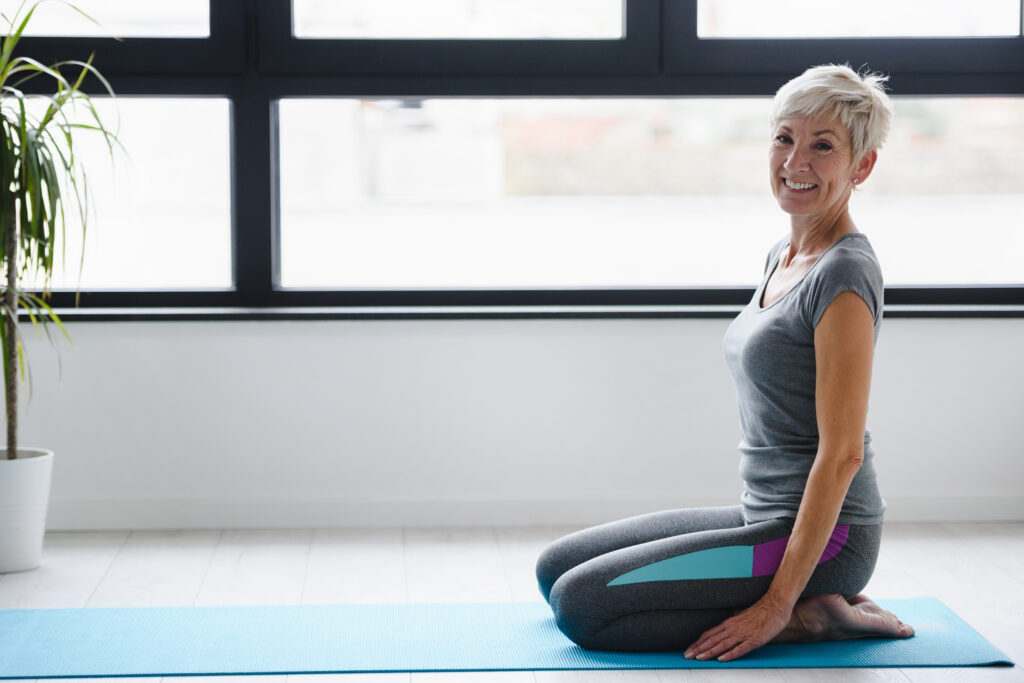
This ‘pause’, although it interrupts the flow of your daily routine, is not happening in a vacuum. We are still fully dimensional beings living in an environment that is sending a lot of stimuli our way. Our nervous system is taking in that information through our senses, sending it to our brain to be analyzed and returning it to the body for the appropriate response. In the pause, we can observe the process of our nervous system and the communication of our mind-body connection.
One great way to practice the ‘pause’ is while doing a lie-down or semi-supine in the active rest position. This is an exercise used in the Alexander Technique as a way to recuperate and allow for the undoing or unwinding of the self, while not having to balance the head vertically. You can start out with a five or 10-minute interval. (I personally will do this position 3 to 5 times a day as a way to manage my own stress, anxiety, or muscle tension.)
- Find a firm surface to lie on, like a carpet or rug. If it is a wood floor, you can place a yoga mat or a light blanket down to give some padding. Choose a firm surface instead of a bed or couch, as they may not give enough support from the ground.
- Use one or two slim books to place underneath your head. The intention of the books is to balance your head so your neck and breathing can be easy and free.
- Bend your knees so that your feet are flat on the floor and you are balancing your knees towards the ceiling. This allows your lower back, the lumbar spine, to maintain its easy curve.
- Fold your elbows and rest your hands comfortably on your torso, allowing space in your armpits and easy movement of your ribs and lungs.
Keep your eyes open and let them soften, seeing your peripheral vision and allowing for an open focus. As you are supported on the ground, you can add a ‘pause’. In the pause, you can notice your senses. Bring your attention to each of your senses individually and also observe them all at once. Do you have a favorite sensory experience? Is there a sensory experience that you do not often pay attention to?
You may also notice your weight on the ground. Allow yourself to unwind into the support of the floor. Is there any part of you that is holding yourself up from the ground? Allow yourself to give over to the support of the ground and the ground reaction force. Add a pause…Notice the room around you. Notice the space around you or within you.
Perhaps none of these suggestions feels appealing, and you just want to notice the sounds around you or your own breathing. Or notice nothing at all. Notice that….Notice if your state of being has shifted. Or if your attention is being pulled somewhere specific. But, don’t fall asleep. It is an active rest, and if the unconscious takes over, we are no longer practicing self-agency.
- When you are ready to get up from the ground, roll over onto your side leading with your eyes. Pause.
- Using your arms, either help yourself up to a seated position or roll over to your hands and knees. Pause.
- Take your time to come to standing. Pause.
- Take yourself into a walk around the room; so that we are practicing taking a ‘pause-break’ back into an activity or an action. If you feel unsteady, or have issues with unassisted locomotion, you may modify the exercise by having a chair nearby to help you balance while you walk in place. Or, sit in a chair and practice walking in place while seated.
Play a game with yourself – a scientific experiment; ask yourself to add three pauses in the next week. In these pauses, bring your attention to your breathing, or your weight on the ground, or the space around you. And notice what happens…