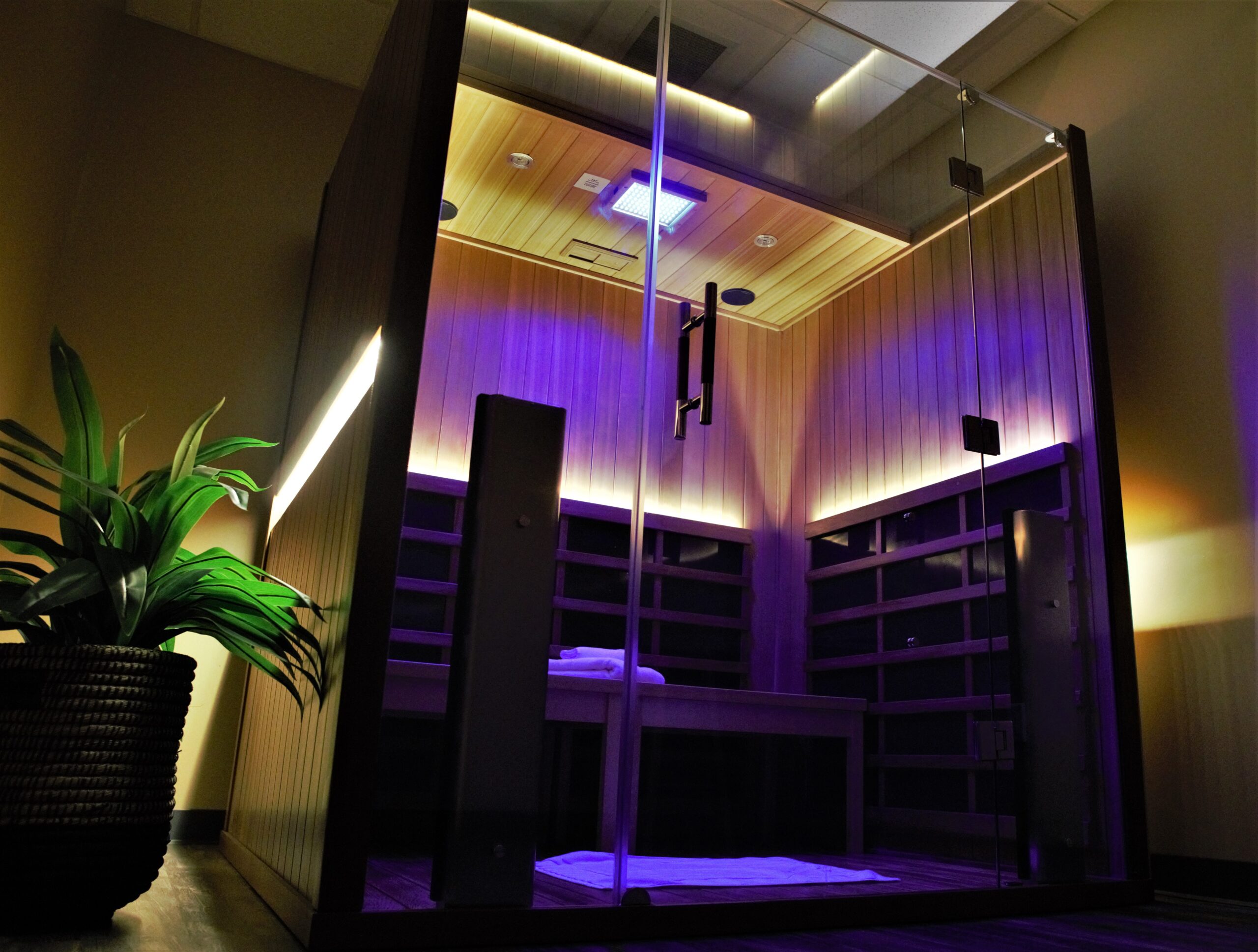

Red light therapy is a skin care and wellness practice based on how your cells respond to light. These therapies use specific red and near-infrared wavelengths that penetrate the skin and support repair.
Instead of relying on heat or intensity, this approach works through absorption. Skin cells take in the light and use it as a signal. With repeated exposure, that signal supports skin quality, circulation, and recovery. Improvements appear over time and fit naturally into long-term routines.
Different formats deliver light in different ways. The experience you choose affects what and where improvement is targeted.
What regular use can support
Devices focused on the face support appearance and skin firmness. With regular use, skin often appears smoother, tone looks more even, and areas typically prone to irritation are calmer.
Full-body red light therapy pairs light with warmth and is typically part of recovery-focused routines. Recovery after long days or physical strain can feel easier. The greatest benefits of red light therapy come from repetition.
Where red light therapy shows up
Red light therapy is now regularly offered in spa and wellness settings, alongside other recovery and skin treatments.
Dermatology offices and spas often use LED masks or panels for the face, neck, or targeted areas.
Many spas offer infrared saunas with light therapy. These combine infrared warmth with red and near infrared LED panels inside the cabin. The heat supports circulation while the light promotes cellular regeneration. These sessions are often chosen for recovery and a reset.
At-home devices apply the same principles through shorter, more frequent sessions that fit into personal care routines.
Choosing an approach that fits your routine
| Smoother looking skin and firmness | At home LED face mask | Delivers red and near infrared light where texture shifts tend to show first |
| Neck and chest care | LED neck and décolletage device | Addresses thinner skin shaped by movement and sun exposure |
| Recovery and full body relaxation | Infrared sauna with light therapy | Combines warmth and light for circulation and deeper tissue support |
| Simple, repeatable routine | Face mask used several times a week | Reflects how most clinical and spa protocols are structured |
Two popular at-home options
Disclosure: This post contains affiliate links. If you buy something through these links, we may receive small commissions that support this site. As an Amazon Associate, we earn from qualifying purchases.
The Omnilux Contour Face LED Mask uses red and near-infrared light on the face. People often choose it for fine lines, texture shifts, and overall tone. Results depend on regular use, not intensity.
The CurrentBody Skin LED Neck and Décolletage Mask focuses on the neck and upper chest. This area often shows early change. Repeated sessions help achieve smoother skin.

How different light colors are typically used
Many LED devices include multiple color settings. Each color represents a different wavelength and purpose.
Blue light does not penetrate as deeply and is commonly used for breakout-prone skin. It’s often used to help with skin congestion.
Green light is chosen for uneven tone. It supports reducing skin discoloration and visible redness.
Yellow or amber light is associated with brightness and increased circulation near the skin’s surface. It’s often used when the skin looks tired.
Orange light is positioned as a glow-focused option. People pair it with red light to support overall skin vitality.
Red and near infrared light penetrate deeper layers and focus on firmness, texture, and recovery. Most research on aging skin focuses on these wavelengths.
Pairing skin care with red light therapy
Red light therapy fits best into routines where skin already feels balanced.
Exfoliating acids such as glycolic, lactic, and salicylic acids can thin the skin’s surface. When used on the same day as light therapy, skin can be more sensitive. Exfoliation fits best on days without light sessions.
High-strength retinoids increase cell regeneration and heighten reactivity. Using them on alternate evenings from red light therapy keeps both practices effective while supporting comfort.
Benzoyl peroxide can dry the skin and affect the barrier. Spacing it away from light therapy sessions helps skin stay more even.
After light therapy, hydration is suggested as an end to the treatment. Moisturizers with ceramides, glycerin, or hyaluronic acid help maintain softness and flexibility with regular use.
Daily sunscreen is a key part of maintaining healthy skin over time. Light therapy supports skin quality while moisturizers and sun protection help preserve visible progress.
What consistency looks like over time
Red light therapy can be a relaxing break from a workday, included as part of a spa visit, or added to the end of other treatments or workouts. Single sessions can range from 10 minutes to an hour, depending on which therapy you choose, what is recommended for you, and how much time you have. Most people start to notice positive changes after several weeks of consistent use.
When light therapy fits easily into your life, its positive effects build alongside the rest of your routine.