Posts about living in, understanding, and finding the best of mavenhood.
The Digital Magazine


A friend told me recently about a key client who decided to “go in another direction,” which created an unpleasant dip in her company’s bottom line, and because it was her client, directly impacted her schedule and bonuses.
She’d learned this before the end of the day on a Friday, went out to dinner, went through a normal evening routine, and went to sleep. When she woke up at 3 a.m. on Saturday morning, it was because she’d had too much to drink with dinner, and she went immediately back to sleep.
Saturday and Sunday went as planned. It wasn’t until she returned to the office on Monday morning, coffee in one hand, scrolling through the week ahead with the other, that the client crossed her mind again.
The Monday Morning Test
That’s when she noticed it: the absence of any angst, worry, upset about the loss of the big client.
My friend hadn’t spent so much as five minutes replaying conversations in her head or wondering what she could have done differently, or how she could have saved that piece of business for the firm. She wasn’t worried about what other people thought or imagining worst-case scenarios. She took pride in the quality of her work and knew the business would be replaced in due time. Beyond that, she didn’t have it in her to get worked up about the ins and outs, ups and downs, and decisions outside her control.
Years ago, and not that many at that, she would have spent the weekend turning it over in her mind. That just didn’t happen, and the complete 180 from past experiences losing clients surprised her.
As she told me the story, I wondered how many women in midlife have had a similar moment. The personal life equivalents are friendships that end, family disagreements, and criticisms that hit too close to home; all potentially major upheavals that can send you into a mental tailspin.
In midlife and mavenhood, it can feel like you’ve started caring less. Science suggests something is physically happening that shows up looking like “giving zero f’s”.
The Science of Giving Less F’s
The science is fascinating and multi-layered. There are several things happening at once that, when taken together, can make it seem like you care less. It’s worth noting here that more studies are needed to specifically look at women in midlife. Many of these findings apply more generally to older adults, and it’s the combination of research that is offering understanding on this subject. If you want to call that a plea for more research, yes, please do.
The first piece of science is Laura Carstensen’s (Stanford) Socioemotional Selectivity Theory, which proposes that as people begin to perceive time as more limited, their priorities shift. Instead of chasing every opportunity or trying to maximize every relationship, people invest more and more into what feels meaningful. That change affects friendships, work, family relationships, and even the kinds of memories people pay attention to.¹
Next, Carstensen and colleagues found that many adults become better at regulating emotions as they age. They recover more quickly from everyday disappointments and become more intentional about where they direct their attention and emotional resources.²

The third piece is research showing that older adults tend to devote more attention to positive information than younger adults. This is the result of a motivational shift toward experiences and relationships that feel good. This is sometimes called the “positivity effect”.³
The final piece of the puzzle is hormonal changes during perimenopause and menopause. The brain has estrogen receptors associated with emotions and stress. During perimenopause and menopause, changing estrogen levels appear to influence these systems. Researchers view these hormonal changes as one part of the broader picture and in need of more study.⁴
Taken together, here’s what these studies are saying about us being different in midlife. First, our brains become more selective about what deserves our emotional energy. Next, the improved emotional regulation that comes with age and experience kicks in. Then, we develop a tendency to seek out positive and filter out negative information regularly. And finally, changing estrogen levels may contribute to the way we process stress and emotion, adding the cherry on top of the seeming-to-care-less sundae.
What Caring Looks Like in Midlife
We talk a lot about midlife being more than menopause. We are changing and adjusting and showing up in different ways, and not all of them are completely understood. Through what could be considered a challenging moment, my friend enjoyed the benefit of these changes in a real and tangible way.
Did my friend really not care about losing a big client? She cared about not working with the people on their team she liked, and that her company would need to find more work, but not enough to let it ruin an evening, a weekend, or most importantly, a good night’s sleep.
1 Carstensen, L. L. (2021). Socioemotional Selectivity Theory: The Role of Perceived Endings in Human Motivation. The Gerontologist, 61(8), 1188-1196. https://doi.org/10.1093/geront/gnab116
2 Carstensen, L. L., Turan, B., Scheibe, S., Ram, N., Ersner-Hershfield, H., Samanez-Larkin, G. R., Brooks, K. P., & Nesselroade, J. R. (2011). Emotional experience improves with age: Evidence based on over 10 years of experience sampling. Psychology and Aging, 26(1), 21-33. https://doi.org/10.1037/a0021285
3 Charles, S. T., Mather, M., & Carstensen, L. L. (2003). Aging and emotional memory: The forgettable nature of negative images for older adults. Journal of Experimental Psychology: General, 132(2), 310-324. https://doi.org/10.1037/0096-3445.132.2.310
4 Fidecicchi, T., Giannini, A., Chedraui, P., Luisi, S., Battipaglia, C., Genazzani, A. R., Genazzani, A. D., & Simoncini, T. (2024). Neuroendocrine mechanisms of mood disorders during menopause transition: A narrative review and future perspectives. Maturitas, 188, 108087. https://doi.org/10.1016/j.maturitas.2024.108087
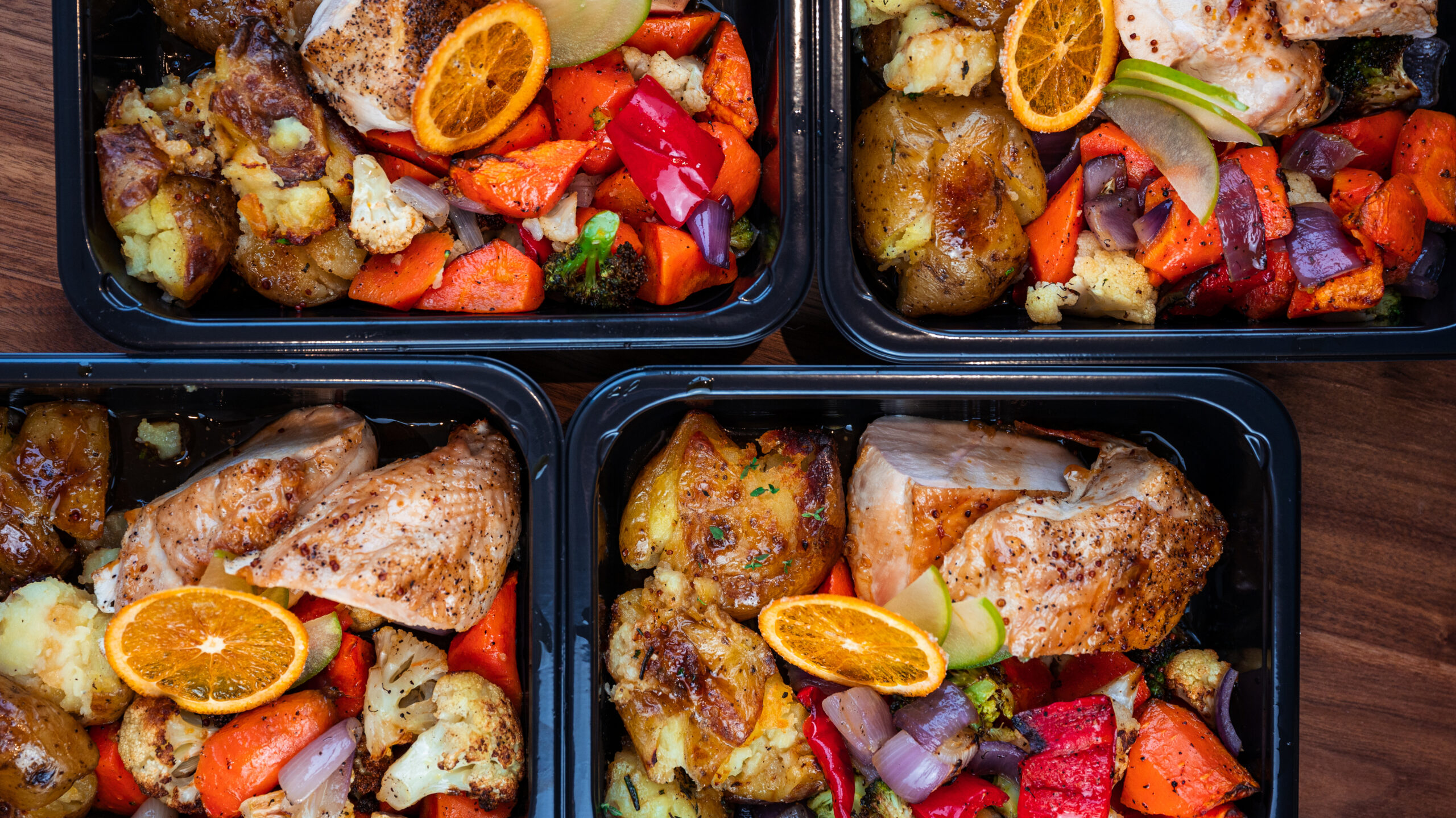
Social media creators share plenty of clever ways to sneak more fiber and protein into meals people love, without turning dinner into a science experiment.
This batch of meal-prep hacks rounds up some of the best ideas, credited to the specific cook or creator when we could trace it. Some ideas are familiar concepts from a grandmother’s kitchen, with a fresh twist. No matter which ones you try, future you will be grateful you set yourself up for success.
Add more fiber
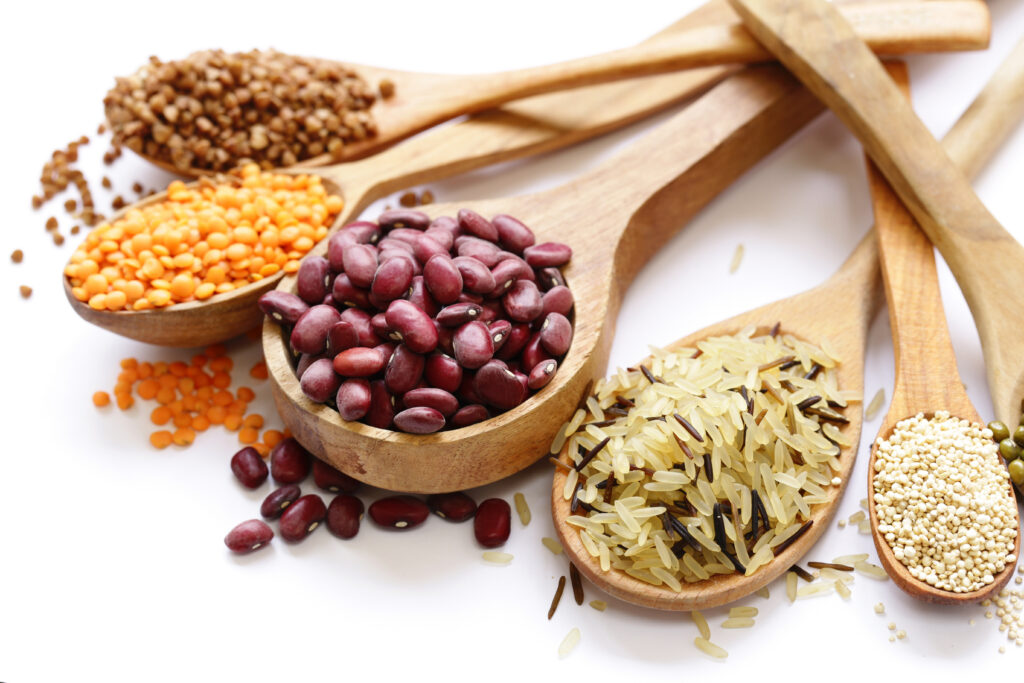
- Add quinoa and lentils to white rice. Kylie Sakaida adds 1 cup white rice, ½ cup quinoa and ½ cup lentils to a rice cooker with approximately 3 cups water. The cooked mixture can replace plain rice in bowls, sides and stuffed vegetables.
Source: Kylie Sakaida, @nutritionbykylie on TikTok - Stretch ground beef with cooked lentils. Add brown, black or green lentils to seasoned ground beef for tacos, meat sauce, sloppy joes or shepherd’s pie. Katie Lee Biegel adds 1 cup cooked lentils to taco meat.
Source: Katie Lee Biegel, “Fiber-Packed Tacos,” EatingWell - Turn hummus into salad dressing. Joy Bauer mixes ¼ cup hummus with 1½ tablespoons water, 1 tablespoon olive oil, 1 teaspoon lemon juice, salt and smoked paprika. It turns a prepared dip into a creamy dressing with added fiber.
Source: Joy Bauer, “Hummus Dressing“ - Make two kinds of high-fiber jelly from psyllium husk. For juice jelly, quickly stir 2 tablespoons psyllium husk powder into 75 milliliters of tart cherry, grape, cranberry or blueberry juice and let it thicken for five to 10 minutes. For berry jam, blend frozen strawberries or mixed berries with ground chia seeds, psyllium husk, honey and water.
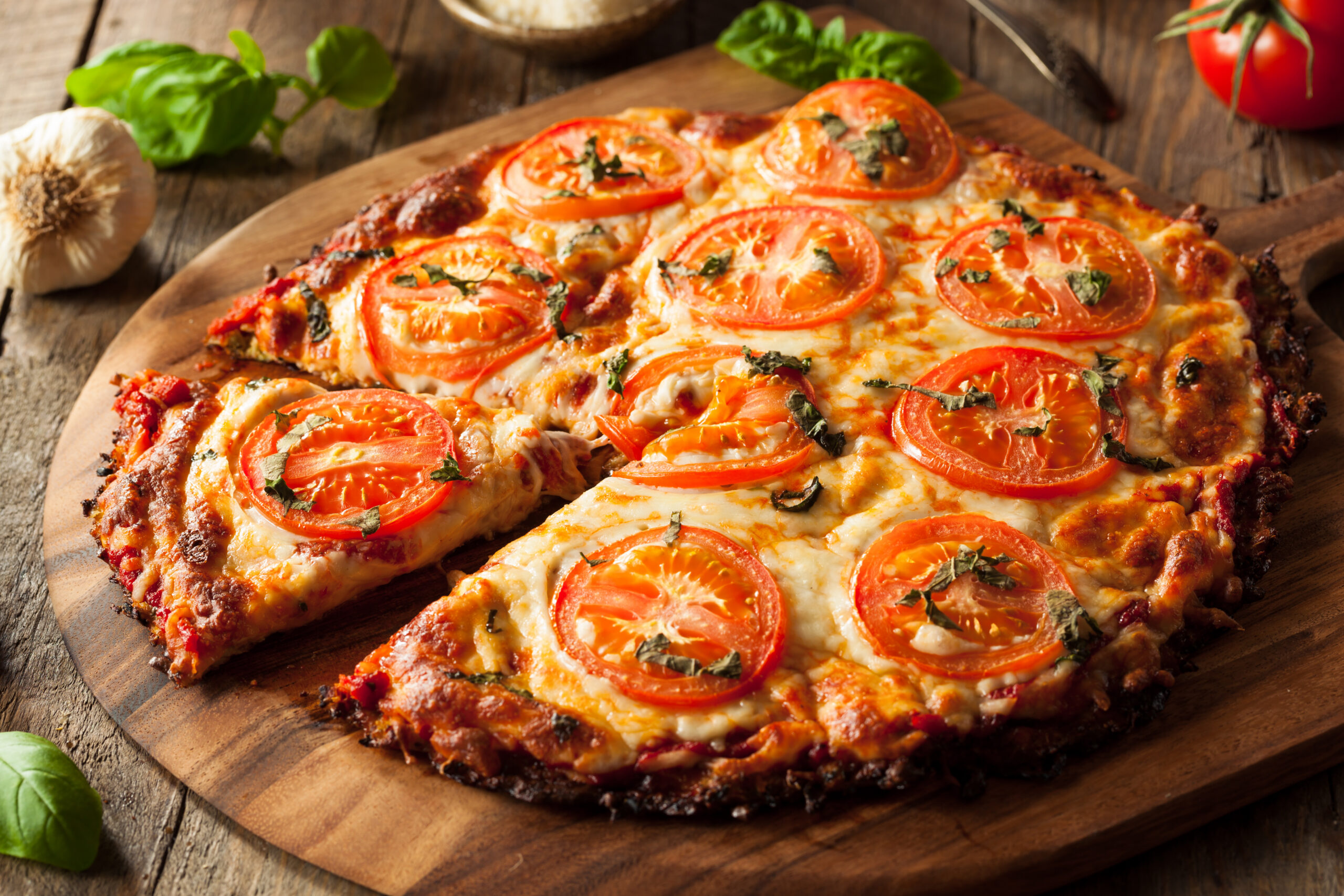
Sources: Dr. Joseph Salhab, Instagram reel (high-fiber fruit jelly), and Rupy Aujla, “Gut-Boosting Berry Jam,” The Doctor’s Kitchen - Add nutritional yeast to homemade pizza crust or sauce. Mix it directly into the dough or marinara for more fiber, protein and savory flavor. It can also help a lower-cheese pizza taste cheesier.
Source: White Blank Space, “Thin Crust Pizza Dough” - Replace breadcrumbs with crushed high-fiber cereal. Liz Weiss uses 1 cup Fiber One Original in a batch of eight Mediterranean tuna cakes. The cereal binds the mixture, gives the cakes a crisp exterior and brings each two-cake serving to 7 grams of fiber. The same idea can work in meatballs or as a coating for chicken.
Source: Liz Weiss, “Crispy Mediterranean Fiber One Cereal Tuna Cakes“ - Blend white beans into marinara or creamy soups. Purée drained white beans with the sauce or soup until smooth. The beans add fiber and protein while making the finished dish thicker and creamier.
Source: @cookwithangelika, Instagram reel
Add more protein
- Cook pasta or grains in bone broth. Replace the cooking water with chicken or beef bone broth. Pasta, rice, quinoa and other grains absorb some of the broth as they cook, adding flavor and some of the broth’s protein.
Source: @thedeliciousnutritionist, YouTube Shorts - Replace ricotta with blended cottage cheese in lasagna. Blend the cottage cheese before assembling the lasagna for a smoother consistency. You can usually replace the ricotta in equal measure.
Source: Andrea Rivera Wawrzyn, “I Never Use Ricotta for the Best-Tasting Lasagna,” The Kitchn - Blend cottage cheese into marinara or pasta sauce. Blend the cottage cheese with marinara, Parmesan and a little pasta water to make a creamy, higher-protein sauce.
Source: Yumna Jawad, “Cottage Cheese Pasta Sauce,” Feel Good Foodie - Use cottage cheese as the base of a reheatable cheese sauce. Tom Walsh blends cottage cheese with a smaller amount of strongly flavored cheese, milk, nutritional yeast and seasonings. Add a few tablespoons of milk when reheating if the sauce becomes too thick.
Source: Tom Walsh, @stealth_health_life on Instagram - Add cottage cheese to scrambled eggs or egg bakes. Joy Bauer mixes ¼ cup cottage cheese with two eggs for a scramble containing more than 20 grams of protein. Blending the cottage cheese first works well for egg bakes and gives them a smoother texture.
Source: Joy Bauer, “High-Protein Scrambled Eggs with Cottage Cheese“ - Cook egg whites into oatmeal. Add liquid egg whites near the end of cooking and continue stirring until the oats thicken. The egg whites blend into the oatmeal and give it a creamier texture.
Source: Liz Marino, “Egg White Oatmeal,” The Clean Eating Couple - Mix powdered peanut butter with regular peanut butter. Reconstitute the powder with a little water, then mix it with conventional peanut butter. The regular peanut butter keeps the familiar flavor and richness while the powdered version adds volume and protein.
Source: Blair Cooley, Instagram reel (this version mixes the powder with liquid) - Make Pro-tatoes and protein gravy from the same pot. Cook cubed potatoes in chicken bone broth, then drain them over a bowl so none of the broth is lost. Blend cottage cheese with some of the reserved broth, pour it over the potatoes and mash. Mix in an egg and a touch of butter extract for additional protein and buttery flavor. Finally, thicken more of the reserved bone broth to make gravy. The published batch uses 5 pounds of russet potatoes, 3 quarts of chicken bone broth, 1½ cups cottage cheese, 1 egg and ½ teaspoon butter extract.
Source: @cooking_comedy_chaos, “Pro-tay-toes,” via cooked.wiki, original Instagram reel - Turn hard-boiled eggs into high-protein mayonnaise. Blend three hard-boiled eggs with ⅓ cup water, 2 teaspoons vinegar, 2 tablespoons oil and salt to taste. Use it for sandwiches, tuna salad, chicken salad or egg salad.
Source: Alison Lethorn, @homechefalison on Instagram
Upgrade dessert
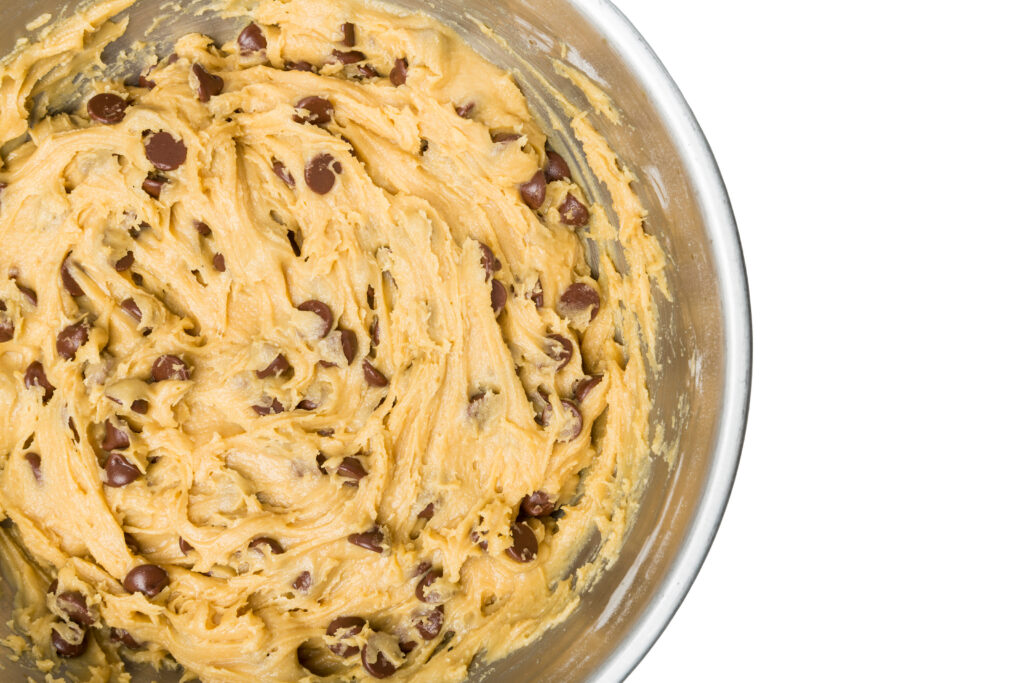
- Turn white beans into five-minute cookie dough. Blend a drained can of white beans with oat flour, almond flour, peanut butter and maple syrup, then fold in chocolate chips. The beans disappear into the dough while adding fiber and plant protein.
Source: Alissa Steinberg, @healthyu_dietitian on Instagram - Turn silken tofu into chocolate mousse. Blend 400 grams silken tofu with 200 grams melted dark chocolate, ½ teaspoon vanilla and 3 tablespoons maple syrup for approximately three minutes. Divide it into containers and refrigerate until set.
Source: @lea.martine, Instagram reel, “Recipe for my viral vegan high protein chocolate mousse” - Whip Greek yogurt with sugar-free Jell-O. Combine Greek yogurt with dissolved sugar-free Jell-O, whip until smooth and chill until set. Garnish with raspberries.
Source: Rena Awada, “Fluffy Greek Yogurt Jello,” Healthy Fitness Meals - Make the viral Japanese yogurt cheesecake. Layer ½ cup thick Greek yogurt with 3 Biscoff cookies per serving in a jar or container, alternating layers until full. Cover and refrigerate overnight (at least 8 hours). The cookies absorb moisture from the yogurt and soften into cake-like layers.
Source: Hannah Kling, “Viral Japanese Cheesecake (Greek Yogurt + Biscoff Cookies),” Lovely Delites - Make three-ingredient protein muffins with cake mix and a bottled shake. Amy Britton combines one box of zero-sugar cake mix with one 42-gram Core Power vanilla protein shake and one single-serving Ratio Protein Greek yogurt. Her batch made approximately 13 muffins and baked at 350°F for about 20 minutes.
Source: Amy Britton, Instagram reel - Make 10-minute protein cookie dough. Emma of @emmabfit mixes 2 tablespoons melted peanut butter, ¼ cup Greek yogurt, 1 tablespoon honey, one serving vanilla protein powder and 1 tablespoon almond flour. Stir in chocolate chips, then freeze for 10 minutes.
Source: Emma, @emmabfit on TikTok - Make faux Reese’s balls with powdered peanut butter and applesauce. Mix 1 cup powdered peanut butter with ½ cup unsweetened applesauce. Form the mixture into approximately 16 balls, chill and coat them with ½ cup melted chocolate chips.
Source: @slowslimmer, Instagram reel - Replace most of the oil in boxed brownies with canned pumpkin. Erin Clarke combines a box of brownie mix with ½ cup pumpkin purée and 2 tablespoons oil. The pumpkin keeps the brownies moist while adding another plant to dessert.
Source: Erin Clarke, @wellplated Instagram