Posts about living in, understanding, and finding the best of mavenhood.
The Digital Magazine


Asking a woman you’ve just met if they have kids seems ordinary enough. Society expects a shared life plan, and the majority will say yes. They’ll go on to tell you the number of children they have, their ages, and possibly where they live, the schools they attend, or their professions. If one of their children is a doctor, this last bit of information is almost guaranteed.
There’s another, smaller group, where the air shifts the moment the “Do you have kids?” question appears. It raises a subject that, for them, is private, personal, and often uncomfortable. While they may have struggled to make peace with limited options, faced limits outside their control, or spent a large sum on infertility treatments, explaining any of that isn’t required. The question delves into territory that is off-limits, yet there it is, a subject of conversation.
One experience watching an incredibly talented, successful, stylish woman brush off the invasive questions around her childless status was a masterclass in itself. She gave the offender the opportunity to back track with “Why do you ask?”, and when they persisted, shot back “Oh, I’m just too wild”, with a mischievous grin that dared them to continue the inquiry at their own risk.
The speaker didn’t owe that person, or the other people listening intently, an explanation, and she didn’t offer one. Her steadiness showed self-respect in real time, and her confidence filled the space where the lingering question hung in the air. I was in awe of her confidence and poise in the face of a situation that would have made most people crumble. Since the question stopped mattering the moment she chose her tone, I filed it away as inspiration to answer all types of ridiculous, invasive questions.
It’s common for women without children to face questions from people who primarily measure worth by family ties. Many hear the same line of questions about their motherhood status from colleagues, relatives, or strangers who believe they are being kind, expressing interest, or concern. The repetition can wear down even the strongest voice, and each time it happens, a woman must decide whether to stay silent, redirect, or respond directly.
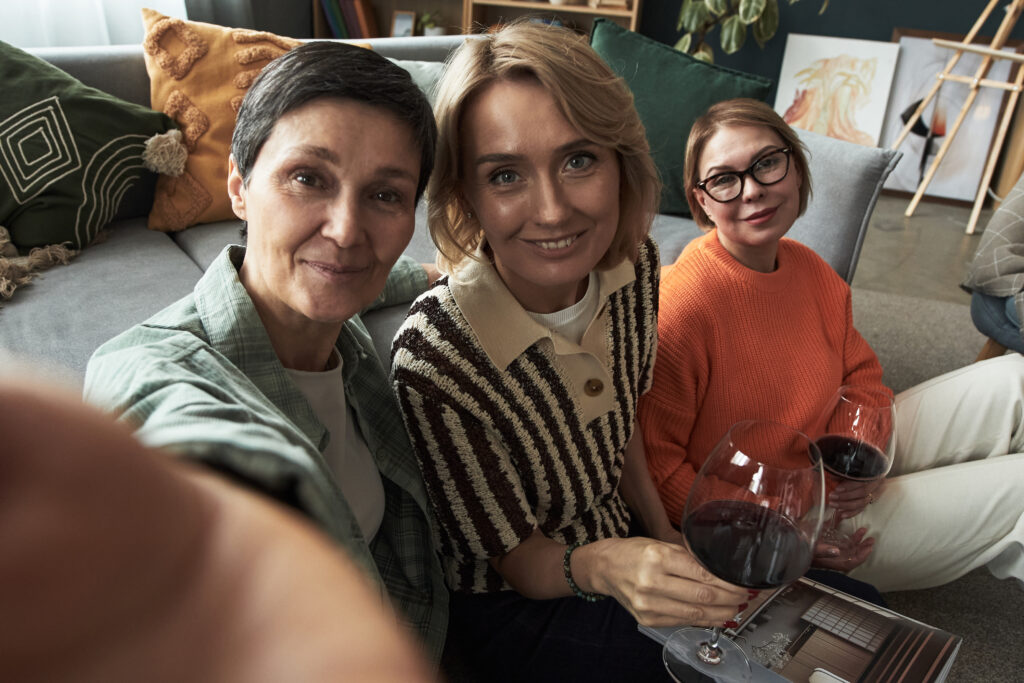
Over time, I’ve learned that there are several ways to respond without interrupting the flow of conversation or bringing it to a grinding halt. My preference, which follows the example observed years earlier, is to handle it with humor and grace, e.g.
“I don’t, unless you count my houseplants.”
“I don’t, but I’ve raised a few deadlines.”
“I don’t, and my sleep schedule thanks me.”
“I don’t, and that suits me.”
Similar to her, “I’m just too wild”, each of these answers resets the tone and brings the focus back to the life being lived. Confidence doesn’t need to defend itself, and it can be light, honest, and steady all at once. When women respond with this kind of ease, they reshape the conversation. They remind others that purpose, love, and identity are not defined only by motherhood.
There are other ways to handle the moment with equal confidence. The conversation could be redirected towards a shared interest, or a gentle boundary set by saying the topic feels personal. Shifting the focus to work, travel, or hobbies gives the asker a clearer picture of life beyond outdated assumptions.
Another approach is to open a broader conversation about the many ways women build meaningful lives, helping others see that fulfillment takes many forms. Contribution, care, and fulfillment appear in many forms through friendship, mentorship, work, creativity, and self-awareness.
While many people still associate a woman’s purpose with motherhood, this belief narrows how society understands fulfillment and overlooks the depth of lives built in different ways. Widening how society views women without children is part of a larger understanding of womanhood itself. As we continue to broaden our perspectives, we can bring hope and optimism for a more inclusive future.
On the other side of things, the question ‘Do you have kids?’ also loses its weight when the people asking learn to listen without expectation. Every woman deserves respect, curiosity, and openness to whatever answer she chooses to share. This is a commitment we all need to make to foster a more understanding, inclusive, and respectful society.
Women are worthy and complete all on their own, and as daughters, sisters, aunts, friends, wives, lovers, confidantes, mentors, and all the other titles they choose. Respect grows from awareness, and in the choice to see each personal journey as its own expression of strength, meaning, and grace.

The terms childless and child-free describe two very different life experiences, and understanding the nuances of each term is key. Taking the time to differentiate between these statuses leads to better conversations, fosters empathy, and promotes greater respect for each person’s unique life story. Whether someone has no children due to personal choice or life circumstances, their reality deserves clear language and social acceptance.
What Childless and Child-Free Terms Mean
Childless refers to people who do not have children due to outside factors. These may include infertility, health issues, relationship challenges, or events that made parenthood unlikely. For many, the word “childless” carries an emotional weight. It often implies a sense of loss, a hope, or a desire for a family that never materialized. Some people struggle for years, making every possible attempt to start a family without success before accepting the label childless.
Child-free refers primarily to people who have made a deliberate decision not to have children. It reflects a personal choice to prioritize other things, whether that means focusing on career, relationships, travel, creative pursuits, or simply a preference for independence. Those who identify as child-free often describe their lives as intentionally shaped around the freedom that comes without the responsibilities of parenting.
Why the Difference Matters
Using the correct term helps create space for emotional accuracy and authenticity. A person who is childless may be grieving, while a person who is child-free may feel content and fulfilled. When society treats all people without children as the same, it ignores those key differences. It can lead to harmful assumptions or pressure to explain deeply personal choices. It’s also important to note the judgment that often accompanies not having children, regardless of which group the person falls into. Many people have an especially strong reaction to the concept of being child-free by choice.
Emotional Realities
For those who are childless, emotions can be layered and painful. Some may have gone through fertility treatments, miscarriages, or other losses. Others may not have met the right partner, had medical issues, or conflicting priorities that contributed to their childless status. The word ‘childless’ often represents a quiet grief, or alludes to a family that was dreamt of and didn’t materialize.
Child-free people, on the other hand, often report a sense of clarity and freedom. They may feel relief at not having to manage the responsibilities of parenting. Many speak of using their time, money, and energy in other meaningful ways. Still, they often face social pressure to justify their choice. Some say they are seen as selfish or immature for not wanting children.

Cultural Expectations and Stigma
Our culture still tends to revere its traditional family structures. People without children are often left out of conversations or judged unfairly. This can be especially true for women, who face higher expectations around motherhood. A woman who is childless may be pitied. A woman who is child-free may be criticized. Yet both face the same, oft-repeated question from others: “Why don’t you have kids?”
Attitudes are changing, but slowly. A 2024 study from Michigan State University found that more than 20 percent of American adults identify as childfree. These adults report similar levels of life satisfaction compared to parents, and many report lower levels of stress related to caregiving responsibilities (MSU, 2024). Even with these numbers, child-free adults continue to face workplace and social challenges. Research also shows that child-free individuals often have higher levels of career satisfaction and financial stability, further supporting their choice.
Identity and Belonging
The words people use to describe themselves help shape how they see their lives. Choosing to identify as child-free or childless is part of building a personal identity. It also affects how others engage in conversation, offer support, and relate socially. Some individuals find themselves somewhere in between. They may not have planned to be childless, but they feel content in their lives without children. Others who once felt child-free may later experience regret or uncertainty. There is no “correct” way to think or feel regarding your own parenting status.
Different Paths, Different Reasons
People who are child-free usually “list freedom, career flexibility, and financial stability among their top reasons. Others cite ethical concerns such as overpopulation or climate change. A 2025 feature in Wired profiled several adults who cited environmental instability as the reason they decided not to have children (Wired, 2025).
Those who are childless often tell different stories. They may have wanted children but missed the opportunity due to timing or unexpected life shifts. Health challenges and failed fertility treatments are also common reasons. For many, there is no single event; instead, it is a gradual realization over time that parenthood will not be part of their path.
Shared Challenges
While their experiences differ, both childless and child-free individuals often face social misunderstanding. People may ask intrusive questions or offer unsolicited advice. Others may exclude childless and child-free people from events or conversations that focus on parenting or family milestones. The feelings behind those moments are different, but the need for understanding is the same. Societal pressures may lead child-free and childless people to feel marginalized. The goal of understanding is to work towards a more inclusive society.
