Posts about living in, understanding, and finding the best of mavenhood.
The Digital Magazine


The terms childless and child-free describe two very different life experiences, and understanding the nuances of each term is key. Taking the time to differentiate between these statuses leads to better conversations, fosters empathy, and promotes greater respect for each person’s unique life story. Whether someone has no children due to personal choice or life circumstances, their reality deserves clear language and social acceptance.
What Childless and Child-Free Terms Mean
Childless refers to people who do not have children due to outside factors. These may include infertility, health issues, relationship challenges, or events that made parenthood unlikely. For many, the word “childless” carries an emotional weight. It often implies a sense of loss, a hope, or a desire for a family that never materialized. Some people struggle for years, making every possible attempt to start a family without success before accepting the label childless.
Child-free refers primarily to people who have made a deliberate decision not to have children. It reflects a personal choice to prioritize other things, whether that means focusing on career, relationships, travel, creative pursuits, or simply a preference for independence. Those who identify as child-free often describe their lives as intentionally shaped around the freedom that comes without the responsibilities of parenting.
Why the Difference Matters
Using the correct term helps create space for emotional accuracy and authenticity. A person who is childless may be grieving, while a person who is child-free may feel content and fulfilled. When society treats all people without children as the same, it ignores those key differences. It can lead to harmful assumptions or pressure to explain deeply personal choices. It’s also important to note the judgment that often accompanies not having children, regardless of which group the person falls into. Many people have an especially strong reaction to the concept of being child-free by choice.
Emotional Realities
For those who are childless, emotions can be layered and painful. Some may have gone through fertility treatments, miscarriages, or other losses. Others may not have met the right partner, had medical issues, or conflicting priorities that contributed to their childless status. The word ‘childless’ often represents a quiet grief, or alludes to a family that was dreamt of and didn’t materialize.
Child-free people, on the other hand, often report a sense of clarity and freedom. They may feel relief at not having to manage the responsibilities of parenting. Many speak of using their time, money, and energy in other meaningful ways. Still, they often face social pressure to justify their choice. Some say they are seen as selfish or immature for not wanting children.

Cultural Expectations and Stigma
Our culture still tends to revere its traditional family structures. People without children are often left out of conversations or judged unfairly. This can be especially true for women, who face higher expectations around motherhood. A woman who is childless may be pitied. A woman who is child-free may be criticized. Yet both face the same, oft-repeated question from others: “Why don’t you have kids?”
Attitudes are changing, but slowly. A 2024 study from Michigan State University found that more than 20 percent of American adults identify as childfree. These adults report similar levels of life satisfaction compared to parents, and many report lower levels of stress related to caregiving responsibilities (MSU, 2024). Even with these numbers, child-free adults continue to face workplace and social challenges. Research also shows that child-free individuals often have higher levels of career satisfaction and financial stability, further supporting their choice.
Identity and Belonging
The words people use to describe themselves help shape how they see their lives. Choosing to identify as child-free or childless is part of building a personal identity. It also affects how others engage in conversation, offer support, and relate socially. Some individuals find themselves somewhere in between. They may not have planned to be childless, but they feel content in their lives without children. Others who once felt child-free may later experience regret or uncertainty. There is no “correct” way to think or feel regarding your own parenting status.
Different Paths, Different Reasons
People who are child-free usually “list freedom, career flexibility, and financial stability among their top reasons. Others cite ethical concerns such as overpopulation or climate change. A 2025 feature in Wired profiled several adults who cited environmental instability as the reason they decided not to have children (Wired, 2025).
Those who are childless often tell different stories. They may have wanted children but missed the opportunity due to timing or unexpected life shifts. Health challenges and failed fertility treatments are also common reasons. For many, there is no single event; instead, it is a gradual realization over time that parenthood will not be part of their path.
Shared Challenges
While their experiences differ, both childless and child-free individuals often face social misunderstanding. People may ask intrusive questions or offer unsolicited advice. Others may exclude childless and child-free people from events or conversations that focus on parenting or family milestones. The feelings behind those moments are different, but the need for understanding is the same. Societal pressures may lead child-free and childless people to feel marginalized. The goal of understanding is to work towards a more inclusive society.
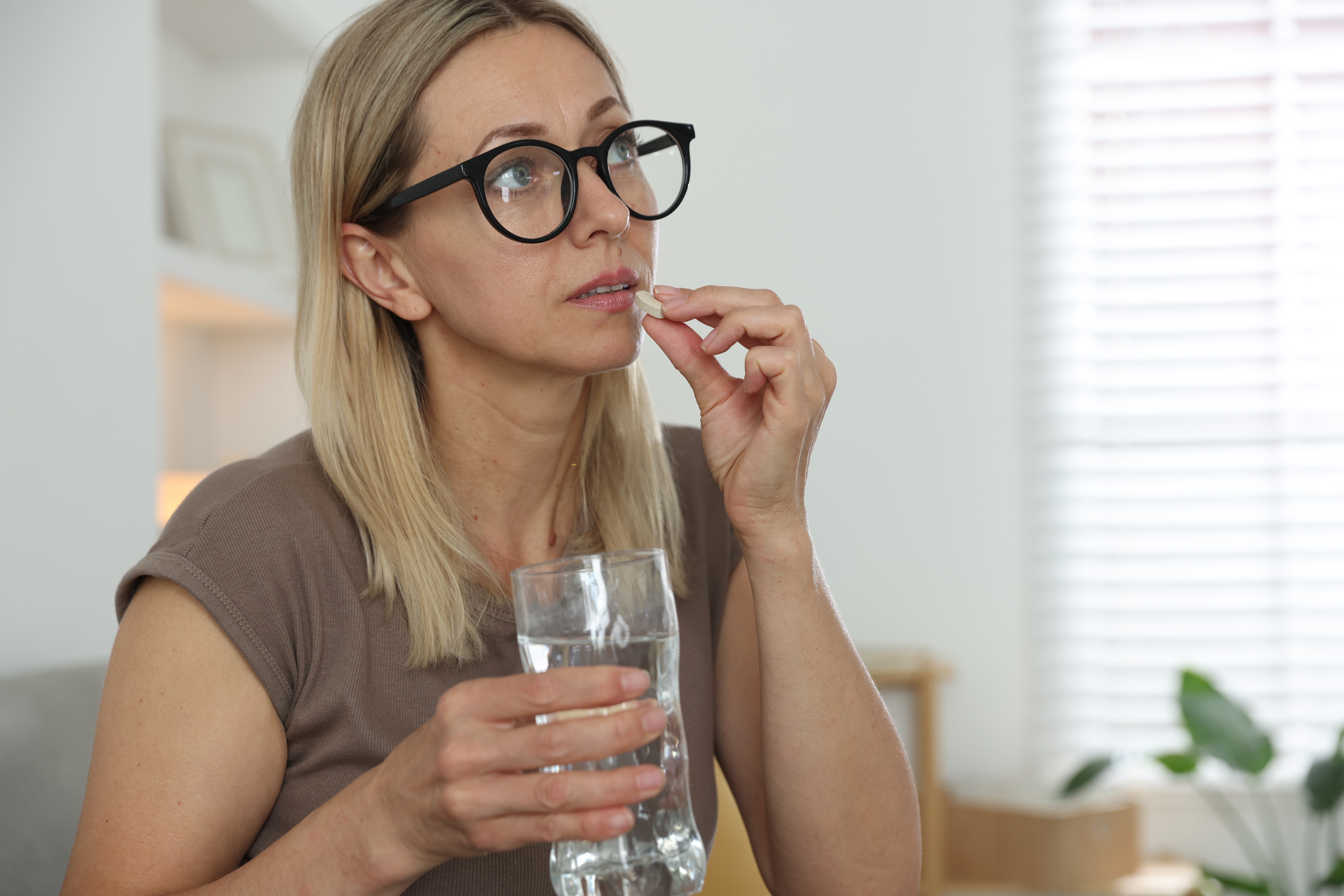
Perimenopause can feel like the great unknown. It is a phase every woman expects but few note as it arrives, partly because it can sneak up on you. Gradually, everyday changes that seem unrelated at first become persistent issues. Sleep becomes restless, moods fluctuate, and weight shifts unexpectedly. What makes this time especially difficult is how little it’s been talked about openly, leaving many women unprepared for the twists and turns ahead.
You might have heard the word mentioned in passing, or been half-heartedly handed a pamphlet and a sympathetic nod. You may begin to notice changes in how you feel, experience more anxiety, fatigue, or a sense that you aren’t quite yourself. You’re often told it’s stress, or aging, or something you just have to power through. Rarely does someone say, “This could be perimenopause. Let’s talk about it.” What you likely didn’t get is a clear, compassionate, and practical guide to what it means to live through perimenopause and come out the other side with your sanity mostly intact.
The good news is that’s changing. The perimenopause and menopause space has been growing rapidly in the last few years. There are books, movies, discussion panels, experts and social media influencers focused on how little of this process is common knowledge, and the importance of bringing it into the open.
It Sneaks Up On You
Menopause advocate and author Tamsen Fadal has been candid about how little she knew before perimenopause hit. “I had no idea what was happening to me,” she shared. “I thought I was losing my mind. No one told me this was normal.”
Fadal’s book, “How to Menopause: Take Charge of Your Health, Reclaim Your Life, and Feel Even Better than Before,” dives deep into her personal experience with perimenopause and menopause and offers insights on navigating the challenges of this phase with honesty and grace.
The Symptoms Are More Than Hot Flashes
Dr. Mary Claire Haver, an OB-GYN and menopause educator, has worked tirelessly to reframe how we talk about this phase in women’s lives. “Perimenopause is a hormonal transition. It’s not just about your period ending. It affects your brain, your gut, your mood, your metabolism.”
The list of symptoms is long and often minimized:
- Sleep disruptions
- Weight changes
- Mood swings
- Anxiety or depression
- Brain fog
- Dry skin and thinning hair
- Joint pain
You may experience some or all of these. What matters is being believed when you bring these issues up, and having access to support that goes beyond a dismissive “That’s normal.”

It’s Not a One-Size-Fits-All Experience
There’s no universal timeline. Some women spend five to ten years in perimenopause. Some women feel almost nothing, and others feel like they’re unraveling on an hourly basis. Hormone levels fluctuate, and your sense of normal changes with them. Finding a support network and a plan that works for you helps smooth the transition. Dr. Haver’s message resonates: “You deserve evidence-based care. You deserve answers. And you’re not alone.”
The Emotional Side Doesn’t Get Enough Attention
Perimenopause isn’t just a physical adjustment. It also affects your sense of self and relationships. “I started to doubt myself at work and at home,” said Fadal. “I was afraid to speak up. I second-guessed every decision.”
This internal loss of confidence is a rarely acknowledged part of a perimenopause journey. You’re still expected to show up, perform, and smile, but something feels off. For too long, women have been left to guess what’s going on inside their own bodies, while facing a societal expectation to keep these changes and concerns to themselves.
You Might Grieve. And That’s Okay
For many, perimenopause represents the closing of a door. You may not have wanted children, or you may have been childfree by choice or circumstance. The biological end to standard childbearing years can carry an emotional weight.
That’s where voices like Instagram’s Melani Sanders, aka @justbeingmelani, matter. Her series “The We Do Not Care” club” offers a refreshing, hilarious, and empowering take on aging, hormones, and living fully. Her message? You’re allowed to care deeply. You’re also allowed not to.
This phase can come with both grief and relief. You can let go of some expectations and still feel sadness for what never was. One emotion doesn’t necessarily cancel out the other.
Your Body May Feel Foreign
Dr. Haver talks often about the physical shift in body composition. “You’re not doing anything wrong. Your hormones are changing, and that has real effects on fat distribution, metabolism, and muscle mass.”
Knowing this doesn’t make it easy, but it offers a path forward. Nutrition adjustments, strength training, and sleep support can help, along with changing the narrative. This is not personal failure; it’s biology.
There Are Tools. Use Them
One of the most frustrating parts of perimenopause is how often women feel like they have to figure it out on their own. Hormone replacement therapy (HRT), supplements, lifestyle changes, and community support can all be part of your strategy.
As Fadal puts it, “We’re done whispering.” More women are sharing what works. Podcasts, books, and Instagram accounts are offering space for honesty and humor. Whether it’s tracking your symptoms with an app or joining a virtual support group, your care plan can be as personal as your experience.
You’re Not Alone
You don’t need to suffer quietly, in the way your mother or grandmother did. The silence around perimenopause is being shattered by women who are done waiting for permission to speak up. From advocates like Tamsen Fadal and Dr. Mary Claire Haver to creatives like @justbeingmelani, the message is: Talk about it. Ask questions and push back. This season of change can be both challenging and freeing.
There is a Better Path
I was among the many who felt perimenopause happening before I understood what it was. The confusion was enormous. Over time I found it helped me most to:
- Take a daily walk without distractions
- Follow experts like @drmaryclaire and @tamsenfadal
- Keep up with group chats with friends in the same phase
- Replace guilt with curiosity
- Say no without apology
None of this fixed everything, but it gave me back a sense of control.
Perimenopause isn’t a weakness; it’s a transition that deserves language, resources, and real conversation around the changes it brings to our lives.
References
- Fadal, Tamsen. Interview on The Today Show, 2023.
- Haver, Dr. Mary Claire. Menopause Matters podcast, 2022.
- Fadal, Tamsen. Instagram post, 2023.
- Instagram: @justbeingmelani, “The We Do Not Care Club” series, 2025.
- Fadal, Tamsen. How to Menopause: Take Charge of Your Health, Reclaim Your Life, and Feel Even Better than Before. Harper Collins, 2025