Posts about living in, understanding, and finding the best of mavenhood.
The Digital Magazine

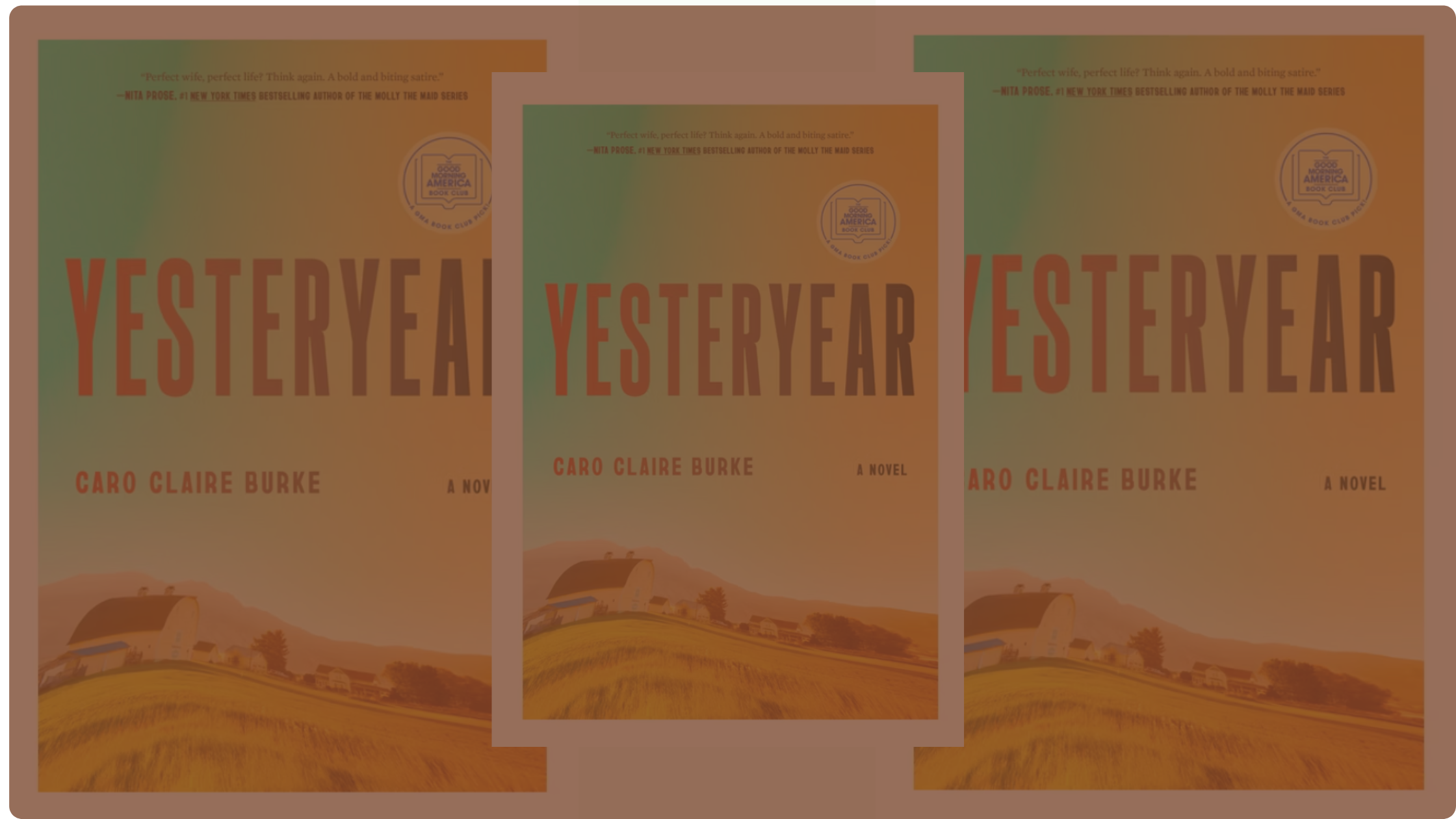
Yesteryear by Caro Claire Burke was published in April, 2026, and has already become a runaway hit. The book generated significant buzz before publication, and library waitlists have grown so long that the earliest availability in some formats stretches into 2027.
Depending on the reader, the book is deep or not so deep, with flawed characters that feel familiar or completely unrealistic. Even without giving away any plot twists, there’s plenty to unpack in this story.
The novel centers on a young woman named Natalie and her life on a farm called Yesteryear. Natalie’s inner dialogue forms the backbone of the story, and she isn’t naturally kind, good, or any of the other qualities we often like to assign to a protagonist. Her internal voice and public persona are frequently at odds. More than once, she reminds herself to behave better by asking what her carefully curated online alter ego, “Online Natalie,” would do.
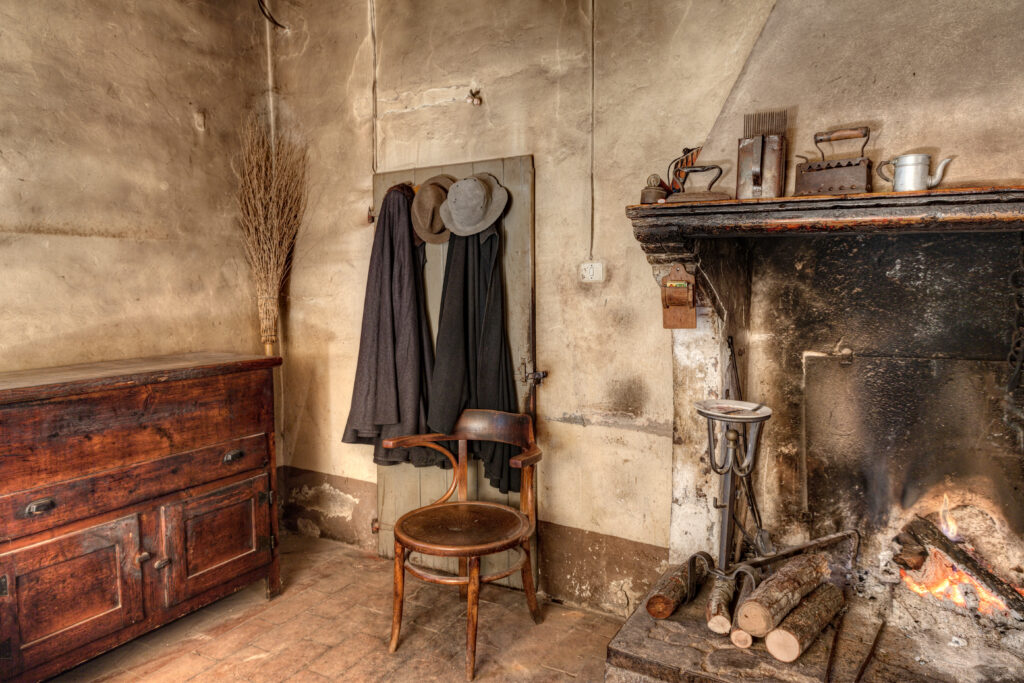
The first story upset comes when we find Natalie confused and disoriented, living in an earlier, shabbier timeline than the one she’s comfortable in. Or perhaps coddled is the more appropriate word.
As we get into the book, we’re not quite sure if the ramshackle version of Yesteryear is a fever dream, a television show, or some kind of elaborate practical joke, and readers can choose to focus on whichever explanation seems most likely. For me, this was important, but secondary.
The clear, honest, and often mean-spirited inner dialogue of an unabashed climber was far more interesting. Natalie is smart, sharp, and quick. It is never entirely clear where these traits came from, as nearly everyone around her seems content with, well, less. Less ambition, less curiosity, or any real interest in something beyond the life already mapped out for them.
What makes Natalie interesting is that in the real world, meaning in person rather than online, she doesn’t pretend to be any better than she is. Her flaws are on full display, and so are her ambitions. The more I thought about her, the more I questioned whether readers were reacting to her behavior or to her honesty about it. Many fictional characters possess the same flaws, and very few are willing to narrate them so openly.
We discussed the book in book club, and one common thread of conversation was how deeply unlikeable many readers found the characters. Words like vile, morally bankrupt, selfish, and lost came up more than once. What struck me was not the criticism itself, but where it was directed. Many of these same descriptors are often aimed at childless women. In this case, readers were applying them to a woman who presented herself as a devoted wife and mother.
I don’t support name-calling, even when the shoe fits. What interested me was how quickly readers reached for labels that are so often aimed at childless women. The discussion was a reminder that selfishness, ambition, confusion, and poor judgment belong to the human condition, not to any particular life choice.
I’ve been asking everyone: Would you want to live in another era? Which one, and who would you want to be while you’re there? In conversation, I sometimes limit the experience to a week, a month, or a year.
Here’s where Yesteryear really offers food for thought beyond the typical parameters of the storyline. Natalie’s mostly miserable inner dialogue during her time in a bygone era raises a question: Where would we be willing to sacrifice our modern conveniences to experience the moments in history we’re most drawn to?
Bathing keeps coming up somehow. It turns out many of us are fascinated by history right up until we’re asked to give up hot water. One person wanted to experience the decadence of Versailles alongside “Let them eat cake” Marie Antoinette, until the reality of 18th century hygiene entered the conversation. Midlife is definitely inclusive of beautifully scented oils and creams, hot showers, and nighttime routines.
The most surprising answer, or perhaps not, was how many women chose the era of Gertrude Stein. More than one person wanted to spend time in 1920s Paris with Stein, surrounded by the artists and writers who attended her evening salons. Henri Matisse, Pablo Picasso, Ernest Hemingway, and F. Scott Fitzgerald all made the guest list. It’s likely not a coincidence the most frequently chosen era was defined by a trailblazer who lived outside of conventional roles and was celebrated for it.
There are lots of reviews and discussions of Yesteryear out there already, but don’t let my focus on something beyond the storyline dissuade you from reading it. The book is well worth the time.
Caro Claire Burke is a strong writer, and nothing about this novel screamed debut. Read it for yourself. As our book club made clear, what you take from Yesteryear depends entirely on what you bring to it. That may be the most honest thing you can say about a book worth reading.
If you decide to pick up a copy and use any link in this post, I may earn a small commission as an Amazon Associate.
