Posts about living in, understanding, and finding the best of mavenhood.
The Digital Magazine


There comes a time when the rhythm of daily life changes, the outside noise that once shaped so many decisions begins to quiet, and the sense of what feels important becomes more defined. Days are still full, often busier than expected, but the choices feel different, more aligned, and more rooted in self-direction. In short, they are more reflective of what you’ve come to know about who you are.
The path into this stage varies. For some, it formed over years of career building, travel, caregiving, community involvement, or private reflection. For others, it followed long chapters of parenting, shaped by constant motion and steady responsibility. Still others reached this point while navigating uncertainty, revising old plans, or letting go of expectations that never quite fit. What emerges across these varied experiences is a common pattern: the desire to live more deliberately, with time, energy, and attention focused on what brings meaning at present.
Here, this phase is called mavenhood. It names the space where child-free, childless, and post-parenting women find themselves connected by shared patterns of clarity, curiosity, ambition, and self-trust. It reflects a full and present life stage, shaped by what has been earned and chosen, and worthy of recognition in the world around us.
A Life Phase With Presence and Direction
Cultural conversations often frame women by the roles they once held, focusing on what was given, nurtured, or supported. What follows is treated as a transition, something between the intensity of caregiving and the perceived stillness of later years.
This period of time has a shape and structure of its own. It carries momentum, clarity, and power. The days are full, not only based on obligations, but also because of purpose. Decisions feel more deliberate, and relationships tend to grow richer, with less performance and more honesty. Goals reflect lived experience and often carry a new kind of depth.
There is no single way to live this chapter, though many women begin to move with greater intention. That shift deserves cultural reflection, thoughtful discussion, and representation that acknowledges its strength.
Conversations Around Health Are Expanding, But Still Incomplete
Menopause and hormonal health are no longer hidden, with the expectation of suffering in silence. Women are speaking openly about the physical and emotional changes that unfold across this stage, and more companies, authors, and medical professionals are joining the conversation.
Even with that progress, many of the frameworks remain too narrow. Health advice often begins with assumptions about parenting, caregiving, or family structures. The language surrounding this phase continues to reflect only a portion of the lives and lifestyles being lived.
Symptoms like disrupted sleep, mood shifts, weight changes, and fatigue are widely shared, but not always addressed with care that feels personalized or relevant. The experience of midlife health, like everything else in this stage, varies based on the life being lived.
More inclusive representation in healthcare leads to better questions, more valuable resources, and care that responds to individual needs rather than a fixed narrative.

The Cultural Narrative Remains Too Narrow
Across books, television, and marketing, women in midlife are often portrayed as background figures; steady, supportive, reflective, and rarely central to the story. Even when these women are featured, the framing usually relies on nostalgia, loss, or the idea of letting go.
What remains missing are the women actively creating, building, leading, learning, and reinventing. These are mavens starting new businesses, planning new chapters, returning to school, mentoring others, and carving out space for joy. The energy and joie de vivre they demonstrate are anything but secondary, and their stories are anything but small.
Representation that reflects this complexity strengthens the cultural conversation. More women begin to see themselves not as outliers, but as part of something real and growing.
Living Without Explanation
This stage moves with intention. Time no longer feels fragmented, and priorities come into clearer view. The decisions made each day often reflect a deeper understanding of what feels valuable, meaningful, and worthwhile.
There is a steady confidence in choosing how to spend your time, where to direct your energy, and what deserves your full attention. Professional paths may evolve, creative ideas may take root, and relationships often deepen in ways that feel more nourishing than before.
What fills your calendar often reflects what fuels your personal growth. As work feels more satisfying, goals better reflect your values, and the day-to-day pace becomes shaped by choice rather than pressure, this life stage gains momentum. The life being shaped here reflects knowledge earned through experience and the clarity that comes from living with a stronger sense of self. The shape of your life speaks for itself.
Where to Find Insight and Support
If you’re interested in organizations that are working toward better representation for women in midlife, these are a few to look into:
- North American Menopause Society (NAMS) shares evidence-based information on perimenopause, menopause, and long-term health
- Center for Women’s Health Research at UNC prioritizes inclusive studies that explore women’s health across different life paths
- Old Girls Club publishes personal stories, reflections, and curated content designed to celebrate freedom and reinvention in midlife
- The Ethel https://www.aarpethel.com/ is AARP’s dedicated 55+ newsletter
These spaces offer thoughtful support, relevant tools, and meaningful conversations for women navigating this life stage with direction and depth.
Recognition grows when more women are seen in the fullness of their lives. An accurate and respectful portrayal opens the space for deeper conversations, better resources, and a broader understanding of what midlife and mavenhood can look like. Representation calls attention to lives already in motion, filled with clarity, momentum, and meaning shaped by lived experience.
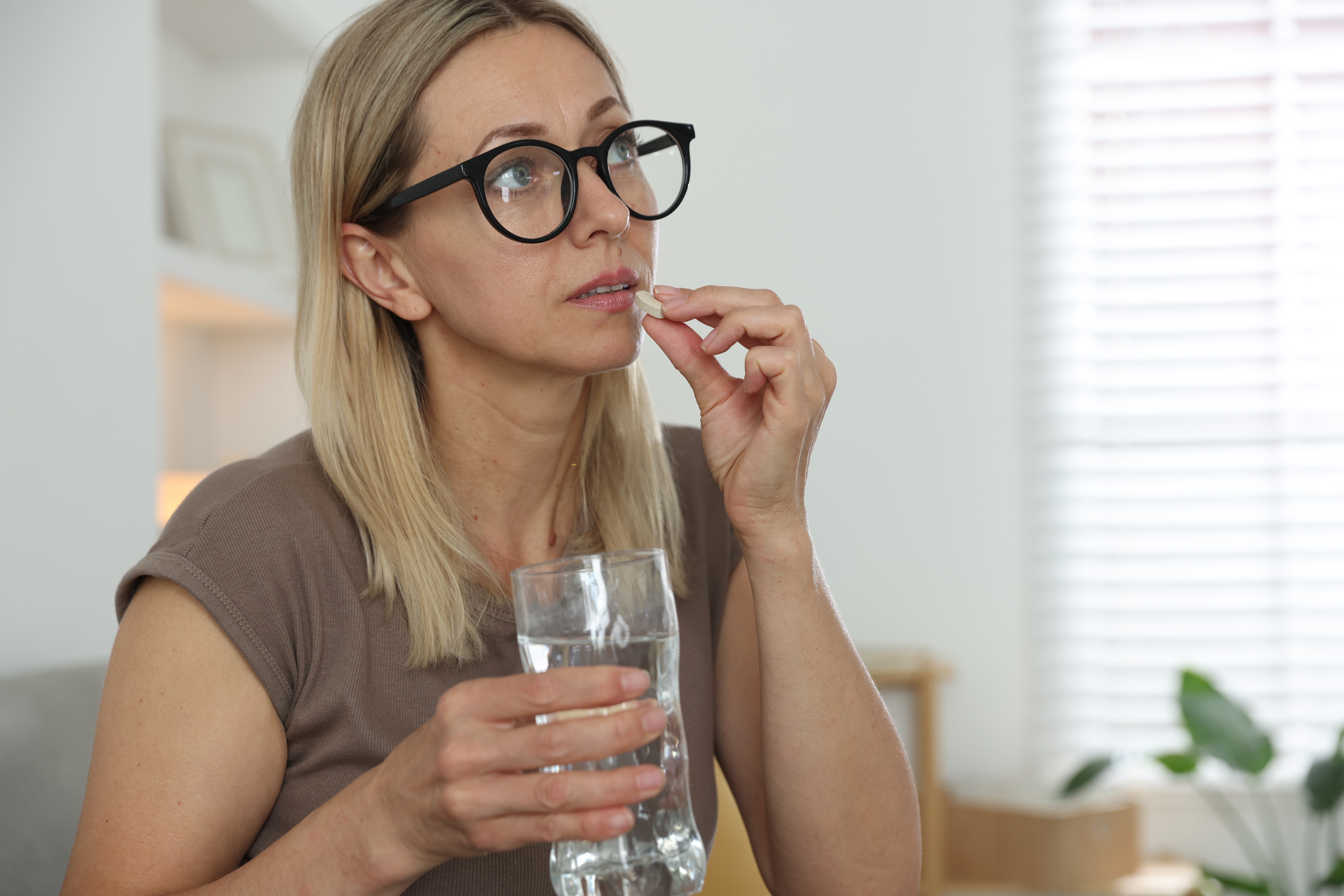
Perimenopause can feel like the great unknown. It is a phase every woman expects but few note as it arrives, partly because it can sneak up on you. Gradually, everyday changes that seem unrelated at first become persistent issues. Sleep becomes restless, moods fluctuate, and weight shifts unexpectedly. What makes this time especially difficult is how little it’s been talked about openly, leaving many women unprepared for the twists and turns ahead.
You might have heard the word mentioned in passing, or been half-heartedly handed a pamphlet and a sympathetic nod. You may begin to notice changes in how you feel, experience more anxiety, fatigue, or a sense that you aren’t quite yourself. You’re often told it’s stress, or aging, or something you just have to power through. Rarely does someone say, “This could be perimenopause. Let’s talk about it.” What you likely didn’t get is a clear, compassionate, and practical guide to what it means to live through perimenopause and come out the other side with your sanity mostly intact.
The good news is that’s changing. The perimenopause and menopause space has been growing rapidly in the last few years. There are books, movies, discussion panels, experts and social media influencers focused on how little of this process is common knowledge, and the importance of bringing it into the open.
It Sneaks Up On You
Menopause advocate and author Tamsen Fadal has been candid about how little she knew before perimenopause hit. “I had no idea what was happening to me,” she shared. “I thought I was losing my mind. No one told me this was normal.”
Fadal’s book, “How to Menopause: Take Charge of Your Health, Reclaim Your Life, and Feel Even Better than Before,” dives deep into her personal experience with perimenopause and menopause and offers insights on navigating the challenges of this phase with honesty and grace.
The Symptoms Are More Than Hot Flashes
Dr. Mary Claire Haver, an OB-GYN and menopause educator, has worked tirelessly to reframe how we talk about this phase in women’s lives. “Perimenopause is a hormonal transition. It’s not just about your period ending. It affects your brain, your gut, your mood, your metabolism.”
The list of symptoms is long and often minimized:
- Sleep disruptions
- Weight changes
- Mood swings
- Anxiety or depression
- Brain fog
- Dry skin and thinning hair
- Joint pain
You may experience some or all of these. What matters is being believed when you bring these issues up, and having access to support that goes beyond a dismissive “That’s normal.”

It’s Not a One-Size-Fits-All Experience
There’s no universal timeline. Some women spend five to ten years in perimenopause. Some women feel almost nothing, and others feel like they’re unraveling on an hourly basis. Hormone levels fluctuate, and your sense of normal changes with them. Finding a support network and a plan that works for you helps smooth the transition. Dr. Haver’s message resonates: “You deserve evidence-based care. You deserve answers. And you’re not alone.”
The Emotional Side Doesn’t Get Enough Attention
Perimenopause isn’t just a physical adjustment. It also affects your sense of self and relationships. “I started to doubt myself at work and at home,” said Fadal. “I was afraid to speak up. I second-guessed every decision.”
This internal loss of confidence is a rarely acknowledged part of a perimenopause journey. You’re still expected to show up, perform, and smile, but something feels off. For too long, women have been left to guess what’s going on inside their own bodies, while facing a societal expectation to keep these changes and concerns to themselves.
You Might Grieve. And That’s Okay
For many, perimenopause represents the closing of a door. You may not have wanted children, or you may have been childfree by choice or circumstance. The biological end to standard childbearing years can carry an emotional weight.
That’s where voices like Instagram’s Melani Sanders, aka @justbeingmelani, matter. Her series “The We Do Not Care” club” offers a refreshing, hilarious, and empowering take on aging, hormones, and living fully. Her message? You’re allowed to care deeply. You’re also allowed not to.
This phase can come with both grief and relief. You can let go of some expectations and still feel sadness for what never was. One emotion doesn’t necessarily cancel out the other.
Your Body May Feel Foreign
Dr. Haver talks often about the physical shift in body composition. “You’re not doing anything wrong. Your hormones are changing, and that has real effects on fat distribution, metabolism, and muscle mass.”
Knowing this doesn’t make it easy, but it offers a path forward. Nutrition adjustments, strength training, and sleep support can help, along with changing the narrative. This is not personal failure; it’s biology.
There Are Tools. Use Them
One of the most frustrating parts of perimenopause is how often women feel like they have to figure it out on their own. Hormone replacement therapy (HRT), supplements, lifestyle changes, and community support can all be part of your strategy.
As Fadal puts it, “We’re done whispering.” More women are sharing what works. Podcasts, books, and Instagram accounts are offering space for honesty and humor. Whether it’s tracking your symptoms with an app or joining a virtual support group, your care plan can be as personal as your experience.
You’re Not Alone
You don’t need to suffer quietly, in the way your mother or grandmother did. The silence around perimenopause is being shattered by women who are done waiting for permission to speak up. From advocates like Tamsen Fadal and Dr. Mary Claire Haver to creatives like @justbeingmelani, the message is: Talk about it. Ask questions and push back. This season of change can be both challenging and freeing.
There is a Better Path
I was among the many who felt perimenopause happening before I understood what it was. The confusion was enormous. Over time I found it helped me most to:
- Take a daily walk without distractions
- Follow experts like @drmaryclaire and @tamsenfadal
- Keep up with group chats with friends in the same phase
- Replace guilt with curiosity
- Say no without apology
None of this fixed everything, but it gave me back a sense of control.
Perimenopause isn’t a weakness; it’s a transition that deserves language, resources, and real conversation around the changes it brings to our lives.
References
- Fadal, Tamsen. Interview on The Today Show, 2023.
- Haver, Dr. Mary Claire. Menopause Matters podcast, 2022.
- Fadal, Tamsen. Instagram post, 2023.
- Instagram: @justbeingmelani, “The We Do Not Care Club” series, 2025.
- Fadal, Tamsen. How to Menopause: Take Charge of Your Health, Reclaim Your Life, and Feel Even Better than Before. Harper Collins, 2025
